
Deepak Chopra once said, “The way to get started is to quit talking and begin doing.” Starting a journey towards a balanced lifestyle is a big step towards feeling better overall.
Balance isn’t just about work and hobbies. It’s about taking care of all parts of our lives. This means focusing on areas that help us stay healthy and happy.
If you’re ready to start, check out products on amazon.com that help with wellbeing. Mindfulness journals and fitness trackers are great places to begin.
Key Takeaways
- Understanding the importance of a balanced lifestyle
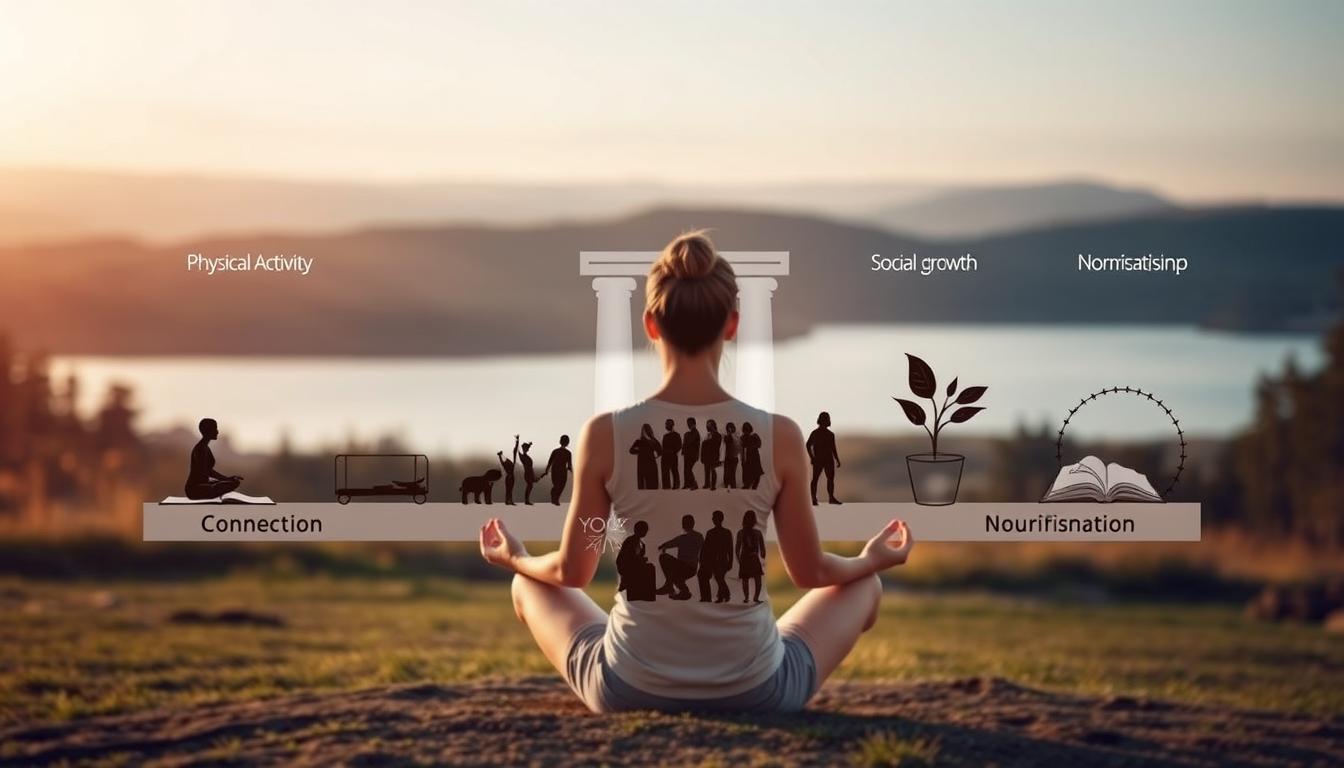
- Exploring the five key pillars of wellbeing
- Integrating Health & Wellness into daily life
- Utilizing tools like mindfulness journals and fitness trackers
- Embracing a holistic approach to health
Understanding Health & Wellness: The Big Picture
Health & Wellness is more than just being healthy. It’s a journey that covers our physical, mental, and emotional health. Understanding this can help us navigate life’s ups and downs.
Defining Health & Wellness
Health & Wellness is about making choices that improve our lives. It’s about taking care of our bodies, minds, and emotions. This approach sees all parts of our wellbeing as connected.
To understand Health & Wellness better, let’s look at its main parts:
| Aspect | Description | Examples of Practices |
|---|---|---|
| Physical Health | Nourishing our bodies through diet and exercise | Balanced diet, regular physical activity |
| Mental Health | Cultivating mental resilience and emotional intelligence | Mindfulness, stress management techniques |
| Emotional Wellbeing | Understanding and managing our emotions | Self-reflection, emotional expression |
Why It Matters for Everyone
Health & Wellness is key for everyone because it affects our life quality. By focusing on Health & Wellness, we can handle stress better, stay healthy, and feel happier.
Investing in Health & Wellness is investing in ourselves. It’s a way to live a life full of energy and purpose, not just free from illness.
The Importance of Nutrition in Daily Life
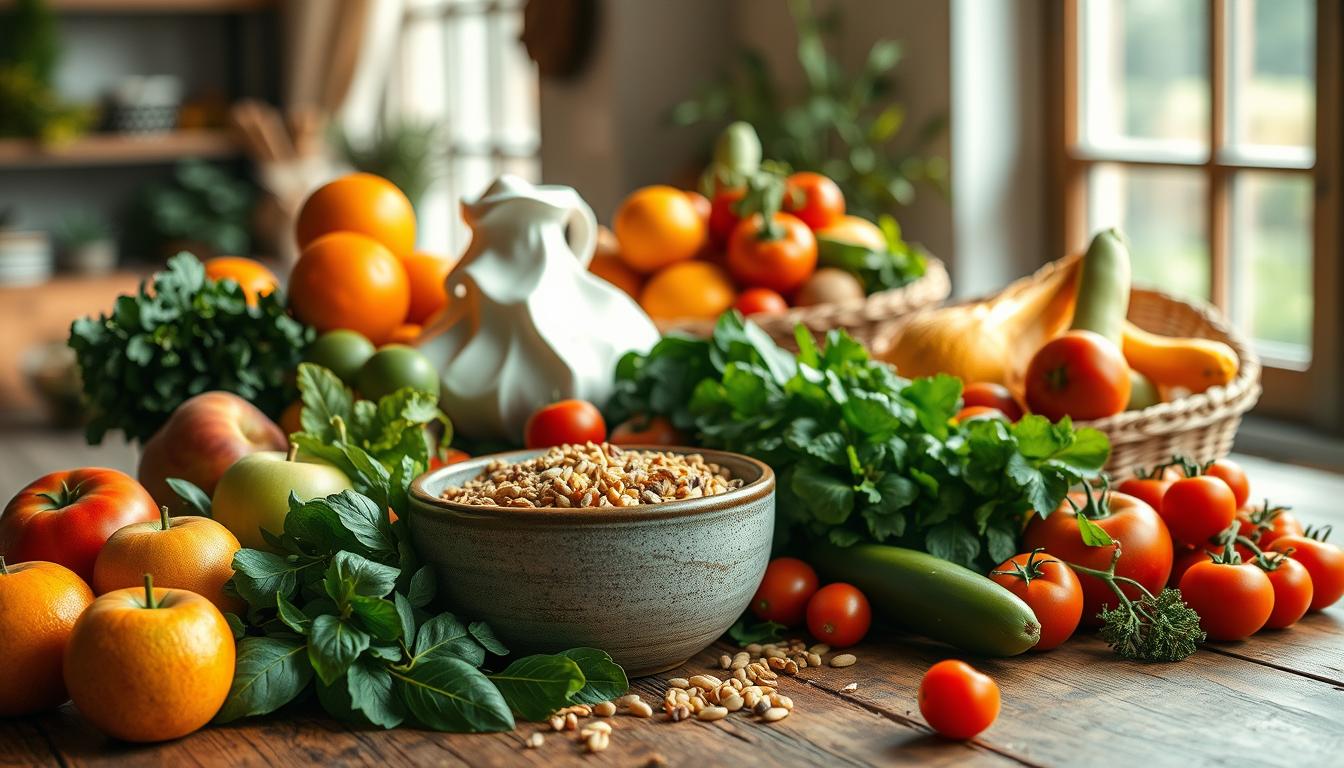
The food we eat every day greatly affects our health. Nutrition is a key part of our lifestyle. A balanced diet gives our bodies the nutrients they need to work right. It helps keep us healthy and feeling good.
Key Nutritional Components
A balanced diet includes a variety of foods from different groups. It’s important to eat:
- Fresh fruits and vegetables for vitamins and minerals
- Whole grains for fiber and energy
- Lean proteins for muscle repair and growth
- Healthy fats for brain function and hormone production
These nutrients help our bodies function well. They support energy production and our immune system.

Building a Balanced Plate
Creating a balanced plate is more than just adding food. It’s about making smart choices. Try to fill half your plate with fruits and veggies, a quarter with lean protein, and the last quarter with whole grains. Don’t forget to add healthy fats to your meal.
This way of meal planning helps you get a wide range of nutrients. It supports your health with every meal.
Meal Planning Tips
Good meal planning is essential for a balanced diet. Here are some tips:
- Plan meals around what’s in season for freshness
- Prepare meals ahead of time to save weeknight stress
- Use leftovers to cut down on food waste
- Buy from local farmers to support your community
By following these tips, you can make nutrition a fun and easy part of your daily life.
The Role of Physical Activity
Physical activity is key to a balanced life. It boosts both physical and mental health. This makes it a must for daily living.
Types of Exercise for Every Lifestyle
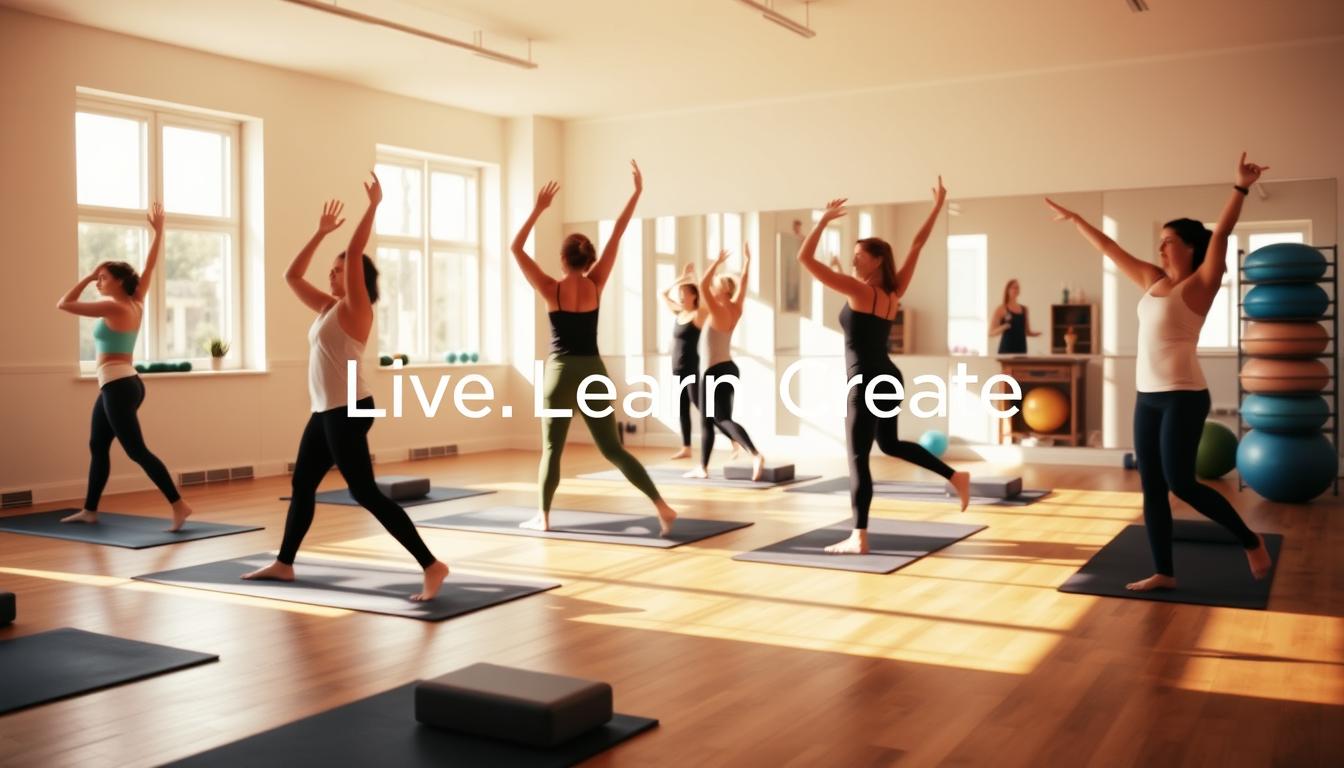
There are many exercises for all kinds of lifestyles. You can choose from low-impact activities like yoga or brisk walking. Or, you might prefer more intense workouts like running or weightlifting. The most important thing is to pick activities you like and can fit into your schedule.
- Cardio exercises like cycling or swimming improve heart health.
- Strength training builds muscle and boosts metabolism.
- Flexibility exercises like stretching or Pilates enhance flexibility and reduce injury risk.
Finding What You Enjoy
Finding joy in exercise is key to sticking with it. Try out different activities to see what you like. Whether it’s dancing, hiking, or team sports, enjoying it makes it easier.
Think about joining a fitness class or finding a workout buddy. This can make exercise more fun and keep you motivated.
Setting Realistic Fitness Goals
Setting achievable fitness goals is important. Start with small, measurable goals, like exercising for 30 minutes, three times a week. As you get better, you can increase the intensity and time.
- Be specific about what you want to achieve.
- Create a schedule and stick to it.
- Celebrate your progress along the way.
By setting realistic goals and finding enjoyable exercises, you’ll stick to a regular routine. This leads to a balanced and healthy lifestyle.
Mental Health: A Crucial Component
Modern life is complex, making mental health a top priority. It covers our emotional, psychological, and social wellbeing. It shapes how we think, feel, and act. It’s key to handling stress, connecting with others, and making choices that improve our wellbeing.
Common Mental Health Challenges
Mental health issues are widespread. Anxiety, depression, and stress disorders are common. These can make daily tasks hard and affect our relationships and quality of life.
Recognizing the signs of mental health problems is the first step. Symptoms include mood changes, energy shifts, and trouble concentrating. It’s vital to be kind and understanding to ourselves and others.
Stress Management Techniques
Managing stress is key for good mental health. Mindfulness meditation, deep breathing, and exercise can help. Doing things we enjoy can also reduce stress.
- Practice mindfulness through meditation or yoga.
- Engage in regular physical activity.
- Connect with nature and spend time outdoors.
- Maintain a healthy diet and stay hydrated.
By adding these to our daily life, we can handle stress better and improve our mental health.
Resources for Support
Having the right resources is essential for mental health support. This includes professional help, support groups, and online tools. Reaching out for help shows strength, not weakness.
Some great resources include:
- National Alliance on Mental Illness (NAMI) Helpline
- Mental health apps like Headspace or Calm
- Local support groups and community centers
- Online therapy platforms
Using these resources and building a support network helps us face mental health challenges. It leads to a more balanced and fulfilling life.
Social Connections and Relationships
We are naturally drawn to connect with others. These connections are key to our wellbeing. Building strong social ties is vital for a healthy life, affecting our mind and heart.
Building a Supportive Network
Surrounding yourself with positive people is important. This includes family, friends, and colleagues. Focus on building relationships that uplift you. Join clubs, volunteer, and participate in activities to meet new people.
Think about what you value in relationships. Look for empathy, trust, and respect. It’s not about how many friends you have, but the quality of those friendships. Meaningful connections bring a sense of belonging and support.
The Impact of Isolation
Being alone can harm our wellbeing. It can cause loneliness, depression, and anxiety. Recognize the signs of isolation and take action to reconnect. Reach out to friends, join community events, or volunteer.
Knowing how our social ties affect our health motivates us to care for them. As the saying goes, ”
No man is an island entire of itself; every man is a piece of the continent.
” This shows how connected we all are and why our relationships matter.
Tips for Strengthening Bonds
Strengthening relationships takes effort, but it’s worth it. Here are some tips:
- Practice active listening by giving your full attention to the other person.
- Show appreciation and gratitude towards those in your life.
- Be present in your interactions, putting away distractions like your phone.
- Engage in activities and hobbies together to create shared experiences.
- Communicate openly and honestly, addressing conflicts as they arise.
By following these tips, you can deepen your connections. Remember, building strong relationships is an ongoing effort. By focusing on your relationships, you can improve your wellbeing and live a more balanced life.
Sleep: The Often-Overlooked Pillar
Sleep is a key part of our health and wellness. It’s not just about resting our bodies. Sleep also helps our minds and bodies recover.

Understanding Sleep Cycles
Sleep is not just one state but a series of stages. These stages include light sleep, deep sleep, and REM sleep. Each stage is important for our health, like memory and physical repair.
REM sleep is when we dream and learn. Deep sleep helps our bodies repair and grow.
Tips for Better Sleep Hygiene
Good sleep hygiene is key for better sleep. This means creating a sleep-friendly environment and habits for rest.
- Go to bed and wake up at the same time every day.
- Make your bedroom dark, quiet, and cool.
- Stay away from screens an hour before bed.
- Do relaxing activities before bed, like reading or meditation.
The Role of Rest in Recovery
Rest and recovery are vital for our health. Sleep is a big part of this. It helps our immune system, builds bones and muscles, and boosts stress handling.
Adequate rest is more than avoiding tiredness. It’s about being ready for daily challenges with energy and focus.
Mindfulness and Meditation Practices
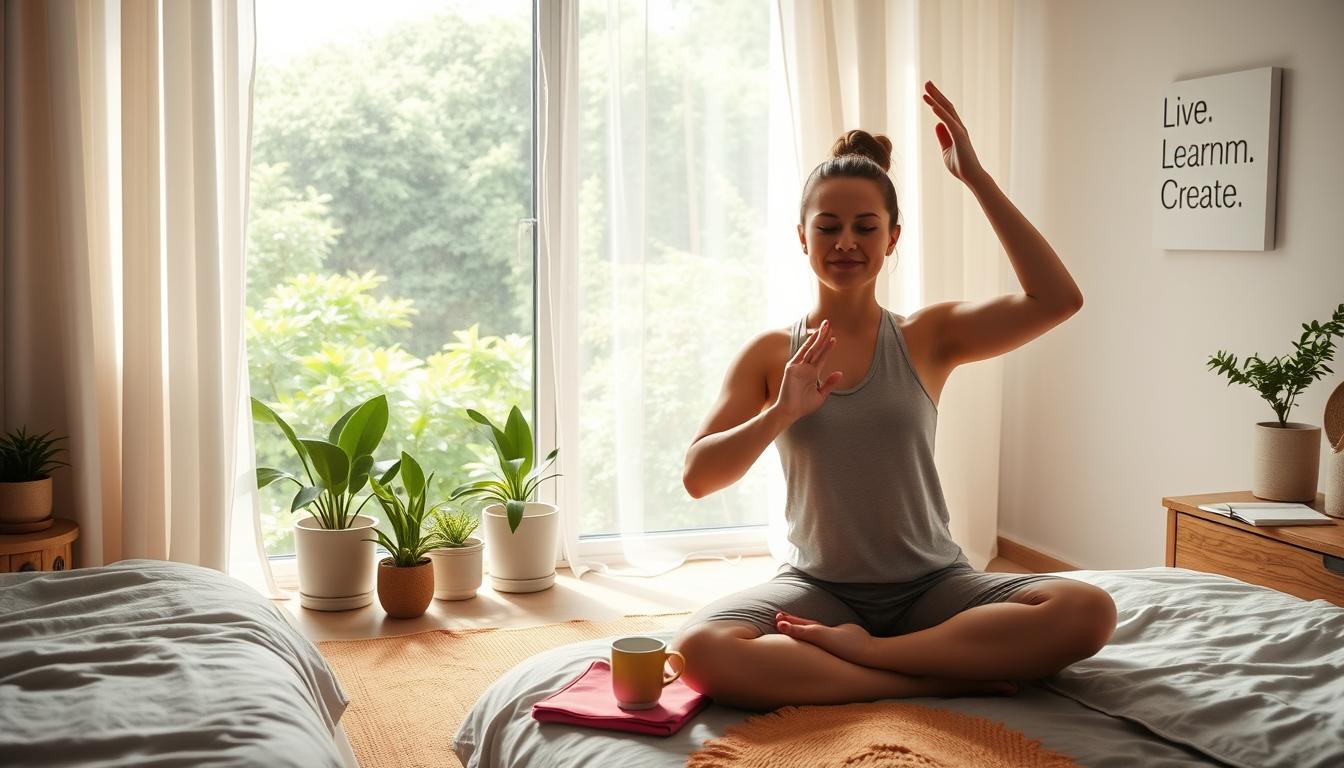
In today’s world, mindfulness and meditation are great for managing stress. They help clear your mind, lower anxiety, and boost your overall health.
Benefits of Mindfulness
Mindfulness brings many advantages, including:
- Reduced stress and anxiety
- Improved focus and concentration
- Enhanced self-awareness
- Better emotional regulation
Adding mindfulness to your daily life can really make a difference.
Simple Practices to Get Started
If you’re new to mindfulness and meditation, start with easy steps. Try:
- Short meditation sessions (5-10 minutes)
- Deep breathing exercises
- Body scan meditation
- Mindful walking
These steps will help you build a solid mindfulness practice.
Integrating Mindfulness into Daily Life
To get the most from mindfulness, make it a part of your everyday. You can:
- Practice mindfulness during daily tasks like eating or showering
- Use mindfulness reminders throughout the day
- Add mindfulness to your morning routine
This way, you can bring more calm and clarity into your daily routine.
Work-Life Balance: Finding Your Equilibrium
In today’s fast world, finding balance between work and personal life is key. We all juggle work, family, and hobbies. But, it’s vital to keep all areas of our life in check for happiness and well-being.

Signs of an Imbalance
Spotting an imbalance is the first step to change. Look out for these signs:
- Working long hours or bringing work home
- Feeling tired or burnt out
- Ignoring personal or family duties
- Stress or anxiety from work
If you see these signs, it’s time to rethink your priorities and take back control.
Strategies to Regain Control
To regain control, focus on self-care, setting boundaries, and managing time. Here are some tips for better balance:
- Focus on what’s most important
- Say “no” to things you don’t need to do
- Make time for self-care and relaxation
- Set clear boundaries between work and personal life
Using these strategies can help you feel more balanced and in control.
Setting Boundaries for Success
Setting boundaries is key for a healthy balance. It means making clear lines between work and personal life. For instance, not checking work emails at certain times or on weekends. This helps protect your personal time and energy, making you more productive.
Remember, finding a work-life balance is ongoing. It takes effort, commitment, and patience. By being aware of imbalances and taking steps to control them, you can lead a more balanced and fulfilling life.
Financial Health and Its Impact
Managing our finances well is key to reducing stress and improving our mental health. It’s not just about having money. It’s about feeling secure, making choices, and enjoying life.
Understanding Financial Wellness
Financial wellness means meeting our financial needs, having a safety net, and reaching long-term goals. It’s about living within our means, saving for the future, and making smart financial choices.
To check our financial wellness, we can look at a few things:
- Having an emergency fund in place
- Managing debt well
- Saving for retirement
- Being able to cover essential expenses
Budgeting Tips for Stability
Creating a budget is a key step to financial stability. It involves tracking income and expenses, setting goals, and making smart spending choices.
| Budgeting Category | Monthly Allocation | Tips for Management |
|---|---|---|
| Essential Expenses | 50% of Income | Prioritize needs over wants |
| Savings | 20% of Income | Automate savings transfers |
| Discretionary Spending | 30% of Income | Set limits and track expenses |
The Emotional Aspect of Finances
Our finances deeply affect our emotional wellbeing. Financial stress can cause anxiety, depression, and strain relationships. But, financial stability brings peace of mind and security.
Managing our finances is not just about numbers; it’s about creating a life we value and enjoy. By controlling our finances, we can reduce stress and improve our life quality.
By understanding financial wellness, using smart budgeting, and seeing the emotional side of money, we can achieve financial health. This improves our overall wellbeing.
The Influence of Environment on Wellness
Our daily lives are shaped by the spaces we live in and the natural world. Our environment plays a big role in our health and happiness.
Creating a Healthy Living Space
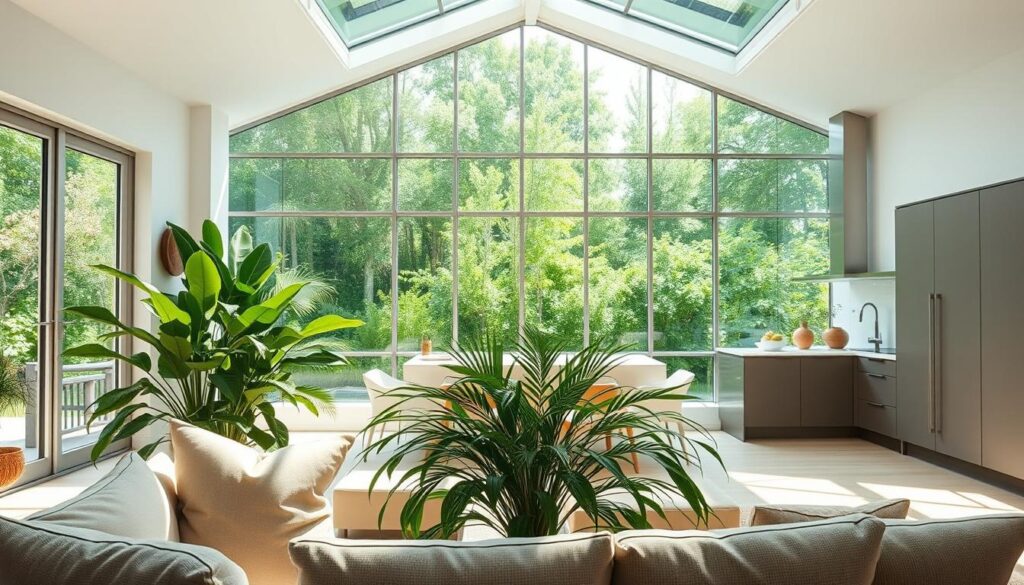
Having a healthy living space is key for our well-being. We should declutter, ensure good air flow, and bring nature inside. Adding plants or natural light can make a big difference.
For example, indoor plants clean the air and lift our spirits. Try adding easy-care plants like succulents or peace lilies to your home or office.
Outdoor Activities and Nature’s Benefits
Spending time outside is also vital for our health. Nature calms our minds and bodies, lowering stress and boosting our mood. Activities like hiking, gardening, or walking in a park are great for our well-being.
Studies show that being in nature can lower blood pressure, improve sleep, and reduce anxiety and depression. Making time for outdoor activities is essential for better wellness.
| Outdoor Activity | Benefits |
|---|---|
| Hiking | Improves cardiovascular health, reduces stress |
| Gardening | Enhances mood, provides a sense of accomplishment |
| Walking in a Park | Reduces symptoms of anxiety and depression |
Reducing Environmental Stressors
It’s also important to reduce harmful environmental stressors. This means cutting down on pollution, noise, and other health risks.
Small actions like using air purifiers, reducing plastic, and creating quiet areas can help. Being aware of our environment and taking steps to improve it can greatly boost our wellness.
By focusing on a healthy living space, outdoor activities, and reducing stressors, we can create a supportive environment. This environment will help us thrive and feel our best.
Getting Involved in Community Wellness
Getting involved in community wellness is good for everyone. It makes you feel connected and gives you a sense of purpose. These feelings are key to a happy life.
Volunteer Opportunities
Volunteering is a great way to help your community. You’ll meet new people, learn new things, and help causes you believe in. Look for local charities, environmental groups, or health organizations that interest you.
- Animal shelters
- Community gardens
- Health awareness campaigns
Community Health Resources
Your community might have health and wellness resources. These include public health workshops, fitness classes, or support groups. They can help you reach your wellness goals.
Organizing Events for Well-Being
Hosting community events is a great way to promote wellness. You could plan a health fair, a charity run, or a mindfulness retreat. These events bring people together and encourage well-being.
To start, team up with local groups or businesses. With good planning and a clear goal, you can make events that inspire and uplift your community.
Continuous Learning and Growth
As we journey towards a balanced lifestyle, learning and growing is key. By embracing lifelong learning, we open up to new experiences and skills. These enrich our lives in many ways.
Nurturing a Growth Mindset
Embracing lifelong learning means being open to new ideas and challenges. It shows that our abilities can grow with effort and dedication. This leads to personal growth and self-improvement.
Resources for Development
To help you grow, check out online courses, books, and workshops on personal development. Amazon is a great place to find books on self-improvement. Try “The 7 Habits of Highly Effective People” by Stephen Covey and “Daring Greatly” by Brené Brown.
Setting Goals for Improvement
Setting realistic goals is vital for growth. Break big goals into smaller, doable steps. Celebrate your progress to stay motivated and focused on your growth journey.
FAQ
What are the 5 pillars of a balanced lifestyle?
A balanced lifestyle has five key areas. These are Nutrition, Physical Activity, Mental Health, Social Connections, and Sleep. Together, they help keep you healthy and happy.
How can I start incorporating mindfulness into my daily routine?
Start by setting aside a few minutes each day for mindfulness. Try meditation or deep breathing. You can also bring mindfulness into everyday tasks like eating or walking by focusing on the moment.
What are some simple ways to improve my sleep hygiene?
To better your sleep, stick to a regular sleep schedule. Have a calming bedtime routine and avoid screens before bed. A dark, quiet room also helps you sleep well.
How can I build a supportive network of relationships?
Nurture your current relationships and look for new ones. Join groups or clubs that interest you. Volunteer or attend local events to meet people with similar interests.
What are some effective stress management techniques?
Manage stress with mindfulness, exercise, and journaling. Try relaxation methods like progressive muscle relaxation or visualization to calm your mind.
How can I prioritize self-care and maintain a healthy work-life balance?
Focus on self-care by setting boundaries and managing your time well. Do things that make you happy and relaxed. A good work-life balance reduces stress and boosts your well-being.
What are some recommended resources for personal development?
Look for books, online courses, podcasts, and blogs on personal growth on amazon.com. These resources can help you grow and improve.
How can I get involved in community wellness initiatives?
Find local volunteer opportunities and community health events. You can also start your own wellness projects. This helps support community health and wellbeing.
Transform your home into a more peaceful and mindful sanctuary. Creating a Zen-inspired home environment is a core part of the “Live.Learn.Create” theme, focusing on peace, mindfulness, and a clutter-free space. Here is a curated list of Zen home items.
The Zen Essentials
These items are the building blocks of a calm, intentional living space.
- Candles & Scents:
- Scented Candles: Look for calming, natural scents like sandalwood, lavender, white tea, or bergamot. Choose candles made with soy or beeswax for a clean burn.
- Essential Oil Diffusers: A minimalist, sleek diffuser made of bamboo, ceramic, or glass.
- Essential Oil Sets: Look for blends specifically for relaxation, focus, or sleep.
- Incense & Burners: Natural incense sticks (e.g., palo santo, sage) with a simple, elegant burner.
The Zen Decor
This is about incorporating natural elements and simple design.
- Natural Materials:
- Wood or Bamboo Trays: For organizing candles, stones, or other small items.
- Ceramic Vases: Simple, unglazed ceramic vases in neutral colors like white, beige, or gray.
- Minimalist Art: Simple line drawings, abstract prints, or nature-inspired artwork.
- Hand-Carved Stone Coasters: Or other small stone sculptures.
- Textiles:
- Linen or Cotton Throws: A soft, neutral-colored throw blanket to add warmth.
- Jute or Sisal Rugs: These add natural texture and grounding to a space.
- Meditation Cushions (Zafu) & Mats (Zabuton): These provide comfort for meditation and add a serene touch to a room.
The Zen Ambiance
These items help create a peaceful sensory experience.
- Lighting:
- Himalayan Salt Lamps: These provide a warm, soft glow.
- Japanese-style Paper Lanterns: For a soft, diffused light source.
- Dimmable Smart Bulbs: To easily control the warmth and brightness of your lighting.
- Sound:
- Tabletop Water Fountains: The gentle sound of running water is incredibly calming.
- Wind Chimes: Made from natural materials like bamboo or metal for a soft sound.
- Bluetooth Speakers: Small, aesthetically pleasing speakers for playing ambient or meditation music.
- Nature:
- Bonsai Trees or Air Plants: Low-maintenance indoor plants that bring life and a touch of nature indoors.
- Zen Gardens: A small, tabletop sand garden with a rake and stones for a meditative ritual.
- Decorative Rocks & Pebbles: For bowls or as a decorative element.
Best Sellers https://amzn.to/3Vet1tI
New Releases https://amzn.to/4mwLjTi
Amazon Movers & Shakers https://amzn.to/4fPsZlP
Mindfulness Coloring Books https://amzn.to/4fQ0wMx
Personal Growth Coloring Books https://amzn.to/4lJeRf0
Health & Wellness https://amzn.to/4oRt24C
Zen Home Decor https://amzn.to/3VeA3i6
Zen Garden Decor https://amzn.to/4mXjT8D
Zen Garden https://amzn.to/3HQTVVB
- Mindfulness & Meditation:
- Physical Wellness:
- Habit & Productivity Tools:
- Books:
- Best-selling personal development books (Mindset, The 7 Habits of Highly Effective People, The Subtle Art of Not Giving a F*ck)
- Books on a variety of skills (coding, photography, writing.)
- Educational Gadgets:
- Smart pens that digitize notes (e.g., Rocketbook)
- Portable scanners for digitizing documents
- Laptops, tablets, and accessories
Create (Creativity, Innovation, Projects)
These products cater to your creative side, whether you are a artists, writer, or DIY enthusiasts.
- Creative Supplies:
- Adult coloring books or “paint-by-sticker” books
- Craft kits (e.g., candle-making, pottery, embroidery)
- Digital Creation Tools:
- General Inspiration & Making: