

Dr. Mark Hyman, a well-known nutritionist, once said, “Water is the most neglected nutrient in your body.” He’s right; staying hydrated is key to good health. But it’s not just about drinking water. It’s about knowing how hydration affects us and using smart ways to stay hydrated.
We’re not just talking about drinking water; we’re exploring hydration hacks for better health. We’ll look at drinks with electrolytes and hydrating foods. You’ll learn from the latest research and expert advice to keep hydrated and feel great.
Key Takeaways
- Discover the importance of hydration beyond just drinking water
- Learn about top hydration products available on Amazon
- Explore expert tips for staying hydrated and achieving optimal health
- Understand how hydration impacts overall well-being
- Find out how to incorporate hydration hacks into your daily routine
Understanding Hydration
Staying hydrated is more than just drinking water. It’s about keeping the right balance of fluids in our body. Understanding hydration is key to a healthy life and good health.
The Importance of Staying Hydrated
Drinking enough water is vital for a healthy lifestyle and physical well-being. Water helps with many body functions, like keeping us cool and moving nutrients and oxygen. Even a little dehydration can make us tired, give us headaches, and make it hard to focus.
How Water Affects Our Body
Water is essential for our body, making up about 60% of our weight. It keeps our joints moving smoothly, helps with digestion, and keeps our skin healthy. Water also helps our organs, like the kidneys, liver, and heart, work right.
Here’s how water affects our body:
| Bodily Function | Role of Water |
|---|---|
| Temperature Regulation | Water helps regulate body temperature through sweating. |
| Digestion | Water aids in the digestion of food and absorption of nutrients. |
| Joint Health | Water acts as a lubricant for joints, reducing friction and wear. |
Signs of Dehydration
Knowing the signs of dehydration is important. Look out for dry mouth, dark urine, feeling dizzy, and being tired. Severe dehydration can cause serious problems, like heatstroke or kidney damage.
To stay hydrated, drink water all day, not just in one go. Eating hydrating foods like fruits and veggies also helps.
Beyond Water: Alternative Hydration Sources
There are many ways to stay hydrated that go beyond drinking water. Adding these to your diet can be a great self-care technique. It helps improve your nutrition guide and keeps you hydrated.
Fruits and Vegetables with High Water Content
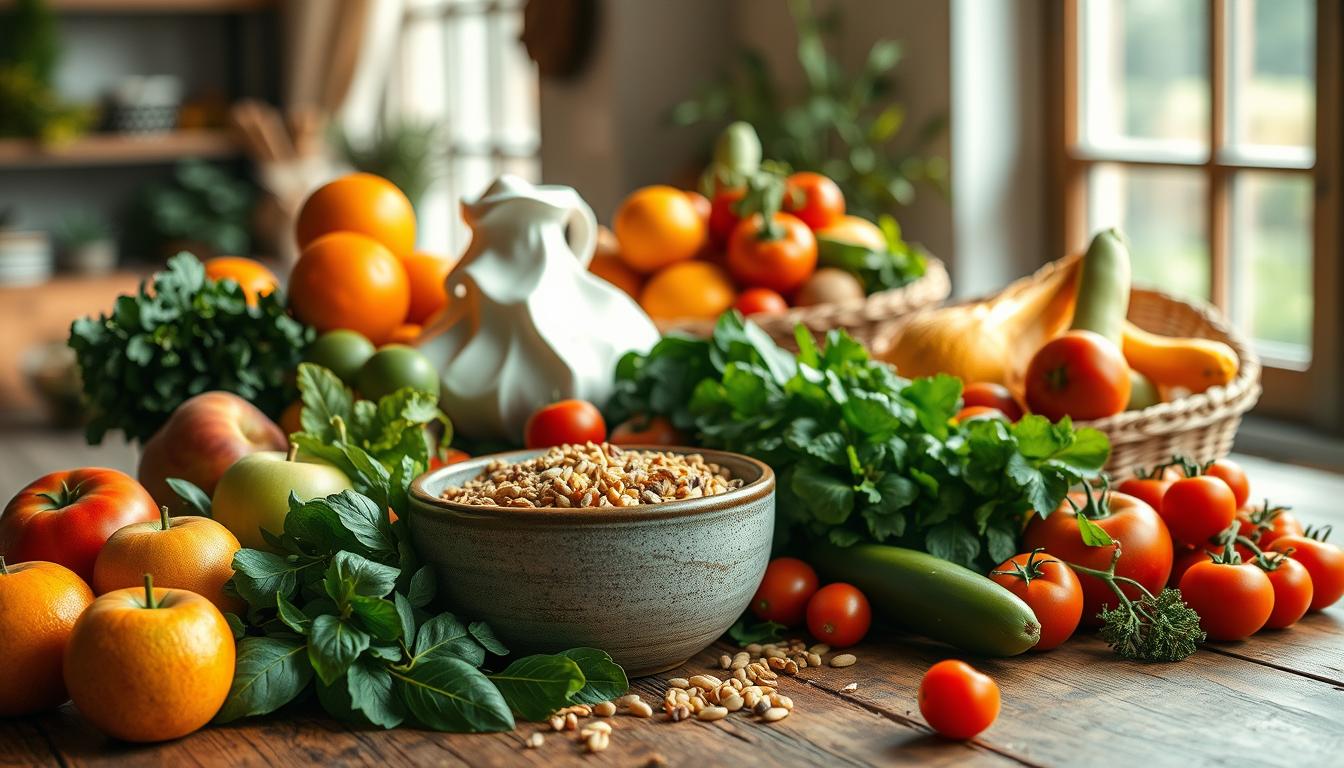
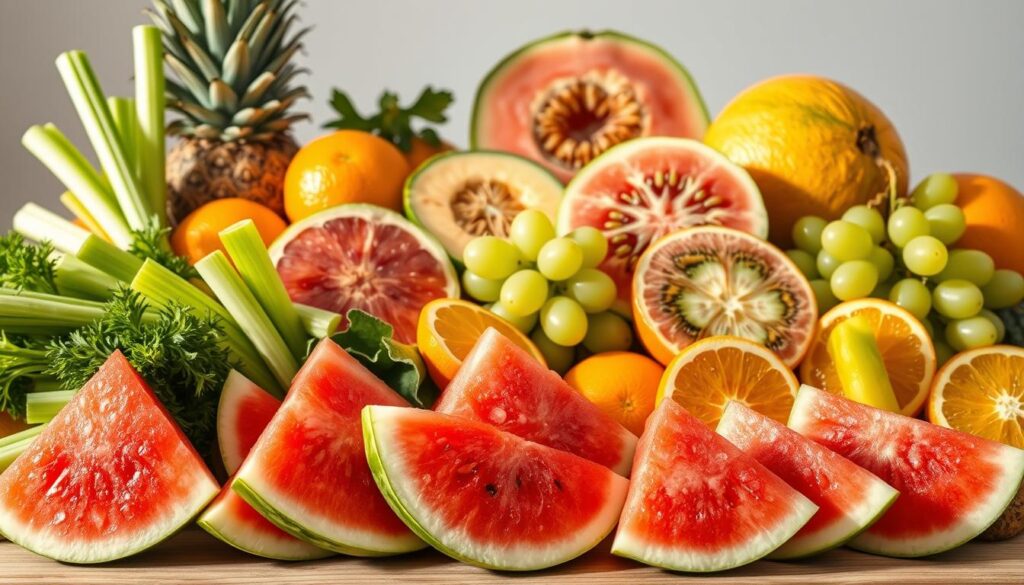
Fruits and veggies are full of vitamins and minerals. They also have lots of water, making them great for staying hydrated. Some top picks include:
- Cucumbers
- Watermelon
- Strawberries
- Zucchini
- Tomatoes
It’s easy to add these to your meals and snacks. They offer a refreshing way to up your hydration.
Hydrating Herbal Teas
Herbal teas are another great way to stay hydrated. They come in many flavors and can be enjoyed hot or cold. Some favorites include:
- Peppermint tea
- Chamomile tea
- Hibiscus tea
- Lemon balm tea
These teas not only hydrate but also offer health benefits. They can help you relax and provide antioxidants.
Broth-Based Soups
Broth-based soups are a comforting and nutritious choice. They’re great for colder months or when you’re feeling sick. Some good options are:
- Clear chicken broth
- Miso soup
- Vegetable broth
These soups are not just hydrating. They also give you important electrolytes and nutrients.
By adding these hydration sources to your daily routine, you can stay hydrated. This supports your health and well-being.
Creative Ways to Drink More Water
Making hydration a part of your daily routine can be simple and enjoyable. It’s key, whether you’re into fitness tips or wellness programs. Let’s look at some creative ways to drink more water.
Infused Water Recipes
Infused water adds flavor to your hydration routine. Mix water with fruits, herbs, or cucumber for a tasty drink. Here are some popular infused water recipes:
- Lemon and mint
- Cucumber and lime
- Strawberry and basil
Fun Hydration Reminders
Reminding yourself to drink water can be fun. Use a hydration app, set phone reminders, or sticky notes. Here are some fun ways to remember to drink water:
- Create a hydration chart and mark off each glass you drink
- Use a smart water bottle that tracks your intake
- Make a bet with a friend to see who can drink the most water
Using a Straw for Increased Intake
Drinking water through a straw can help you drink more. It’s easier and you might drink more. Try using a straw with your favorite infused water for a boost.
| Hydration Method | Benefits | Tips |
|---|---|---|
| Infused Water | Flavorful and refreshing | Experiment with different fruits and herbs |
| Hydration Reminders | Helps you stay on track | Use a hydration app or sticky notes |
| Drinking with a Straw | Increases water intake | Try using a straw with infused water |
By adding these creative strategies to your daily routine, you’ll stay hydrated. You’ll also enjoy the benefits of wellness programs and fitness tips.
The Role of Electrolytes
Drinking water is just the start. Electrolytes are key to keeping our bodies hydrated and working right. They are electrically charged minerals that help with nerve and muscle function, keeping us hydrated, and balancing our body’s pH.
What Are Electrolytes?
Electrolytes are minerals with an electric charge. They are vital for many body functions. Sodium, potassium, calcium, magnesium, chloride, and phosphate are some common ones. These minerals help with fluid balance, heartbeat, muscle contractions, nerve function, and pH levels.
Natural Sources of Electrolytes
Getting electrolytes from food is easy. A balanced diet with whole foods is the best way. Here are some top sources:

- Fruits and Vegetables: Bananas, avocados, and spinach are packed with potassium and magnesium.
- Nuts and Seeds: Almonds and sunflower seeds are good for magnesium.
- Dairy Products: Milk and yogurt are full of calcium.
- Whole Grains: Brown rice and quinoa offer magnesium and potassium.
When to Consider Electrolyte Supplements
While food is best, supplements can help in some cases. You might need them if you:
- Sweat a lot from exercise or the heat.
- Have a condition like diarrhea or vomiting that messes with electrolytes.
- Eat very few calories or follow a strict diet.
Always talk to a doctor before taking supplements. They can make sure they’re right for you.
Hydration and Exercise
Hydration is key for any exercise routine. It affects how well you perform and how fast you recover. When you exercise, your body loses water through sweat. If you don’t replace it, you can get dehydrated.
Pre-Workout Hydration Tips
To stay hydrated before a workout, follow these tips:
- Drink water all day, not just when you’re thirsty.
- Eat a hydrating meal or snack 1-2 hours before exercising.
- Drink 17-20 ounces of water 2-3 hours before you start.
Hydration During Exercise
It’s important to stay hydrated while exercising. Here’s how:
- Drink 7-10 ounces of water every 10-20 minutes.
- For long workouts, use a sports drink with electrolytes.
- Watch how much you sweat and adjust your water intake.
Post-Workout Recovery Drinks
Rehydrating after a workout is vital for recovery. Here’s what to do:
- Drink 16-24 ounces of fluid for every pound lost during exercise.
- Use a recovery drink with carbs and protein to refill energy and repair muscles.
- Listen to your body’s signs of being rehydrated, like urine color and thirst.
By following these hydration tips, you can improve your exercise performance and overall health. Remember, hydration is more than just drinking water. It’s about finding the right balance for your fitness goals.
The Impact of Climate on Hydration Needs
Knowing how climate impacts hydration is essential for a healthy lifestyle. Our bodies react to environmental changes, and adjusting our water intake is critical. It’s a key self-care technique.
Staying Hydrated in Hot Weather
In hot weather, we lose more water because of sweating. To stay hydrated, we should:
- Drink water often, even if we don’t feel thirsty.
- Eat hydrating foods like watermelon and cucumbers.
- Avoid hard activities when it’s hottest outside.
Adjusting Hydration for Cold Environments
Cold weather can also dry us out, just like hot weather. To stay hydrated in the cold:
- Drink warm, non-caffeinated drinks to keep warm.
- Use a humidifier to add moisture to the air.
- Check your urine to make sure it’s not too dark.
Recognizing Microclimates
A microclimate is a small area with its own unique weather. For example, cities can be much warmer than the countryside because of the urban heat island effect.
To adjust your hydration for microclimates:
- Pay attention to your surroundings and how they affect your hydration.
- Change how much water you drink based on the local weather.
- Use technology, like weather apps, to keep up with local conditions.
By understanding how climate and microclimates impact our hydration, we can take steps to stay hydrated. This supports our overall healthy lifestyle.
Age and Hydration: Adapting to Different Life Stages
Knowing how much water we need changes as we get older is important for staying healthy. Our bodies change a lot as we age, which affects how we should drink water.
Hydration Needs for Children
Children need more water than adults because they are more active and their bodies burn more energy. It’s vital to keep them hydrated for their growth and health.
- Encourage water intake throughout the day.
- Incorporate hydrating foods like fruits and vegetables into their diet.
- Limit sugary drinks that can lead to dehydration.
Staying Hydrated in Older Adults
Older adults might find it harder to keep their bodies hydrated. They need to pay attention to how much water they drink to avoid dehydration, which can be dangerous.
| Age Group | Daily Water Intake Recommendation |
|---|---|
| 65-79 years | At least 8 cups (64 oz) |
| 80+ years | At least 7 cups (56 oz) |
Pregnancy and Hydration
Pregnant women need more water because their growing baby requires it. Drinking enough water can help prevent problems and support a healthy pregnancy.
Pregnant women should drink lots of water and watch for signs of dehydration. Eating foods rich in electrolytes can also help keep them hydrated.
By understanding and adjusting to these changing water needs, we can support holistic health. We can create wellness programs that work for people of all ages and life stages.
The Connection Between Hydration and Skin Health
Hydration and skin health are closely linked. Drinking enough water is key to having healthy, glowing skin. When we drink enough water, our skin looks vibrant and young.

How Hydration Affects Complexion
Hydration is vital for skin elasticity and firmness. When our skin is hydrated, it looks radiant and soft. But, not drinking enough water can cause dryness, irritation, and worsen acne and eczema.
Key benefits of proper hydration for the skin include:
- Improved skin elasticity
- Reduced appearance of fine lines and wrinkles
- Enhanced skin radiance
- Better skin health overall
Hydration Myths Debunked
There are many myths about hydration and skin health. Let’s clear up a few:
- Myth: Drinking more water will automatically clear up acne. Reality: Hydration is important, but it’s not the only factor for healthy skin.
- Myth: You can hydrate your skin only by drinking water. Reality: Using hydrating products on your skin is also essential.
Topical Hydration Products
Using hydrating products on your skin can also help a lot. Here are some good ones you can find on Amazon:
- Neutrogena Hydro Boost Water Gel
- CeraVe Moisturizing Cream
- La Roche-Posay Toleriane Ultra Fluid
- Aloe vera gel
Adding these products to your skincare routine can keep your skin well-hydrated. This leads to healthier, more radiant skin.
Seasonal Hydration Strategies
Effective hydration means changing how we drink water with the seasons. Our needs change with the weather. It’s key for a healthy lifestyle and good nutrition.
Summer Hydration Must-Haves
In summer, we lose more water because it’s hotter and more humid. We need to drink more to stay hydrated. Here are some summer hydration tips:
- Drink more water
- Eat hydrating foods like watermelon and cucumbers
- Use drinks or supplements with electrolytes, mainly when you’re very active
Dr. Jane Smith, a top nutritionist, said, “Hydration is not just about drinking water. It’s about keeping the right balance of fluids and electrolytes in your body.”
“The right hydration strategy can make all the difference in how you feel and perform during the summer months.”
Winter Hydration Practices
Winter also makes it hard to stay hydrated. The air is dry and heaters dry out our bodies. Here’s how to stay hydrated in winter:
| Practice | Benefit |
|---|---|
| Drink warm liquids | Helps to maintain fluid balance |
| Use a humidifier | Adds moisture to the air, reducing dehydration risk |
| Include hydrating soups in your diet | Provides both fluids and essential nutrients |
Hydration During Allergy Season
Allergy season makes it harder to stay hydrated because of more mucus and possible side effects from meds. Drinking water helps thin out mucus and keeps your breathing system working right.
To follow a nutrition guide for staying hydrated during allergy season, try:
- Drink lots of fluids to thin out mucus
- Eat foods rich in omega-3 fatty acids to reduce inflammation
- Avoid drinks that dry you out, like those with caffeine or alcohol
By changing your hydration habits with the seasons, you can keep a healthy lifestyle and get the nutrition your body needs.
Hydration for Mental Clarity and Focus
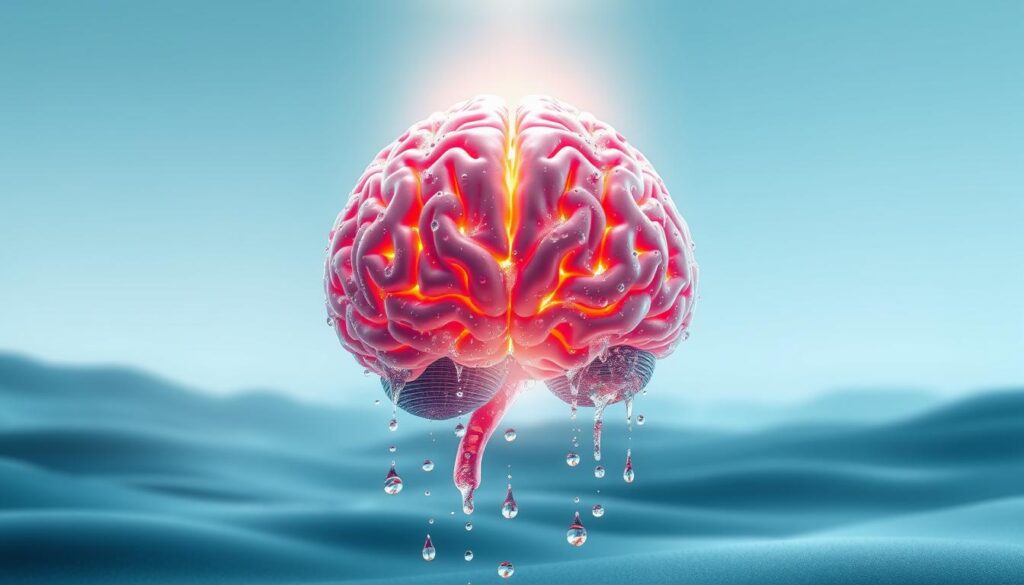
Our brains need water to work well. Even a little dehydration can hurt our thinking, memory, and mood.
The Brain’s Need for Water
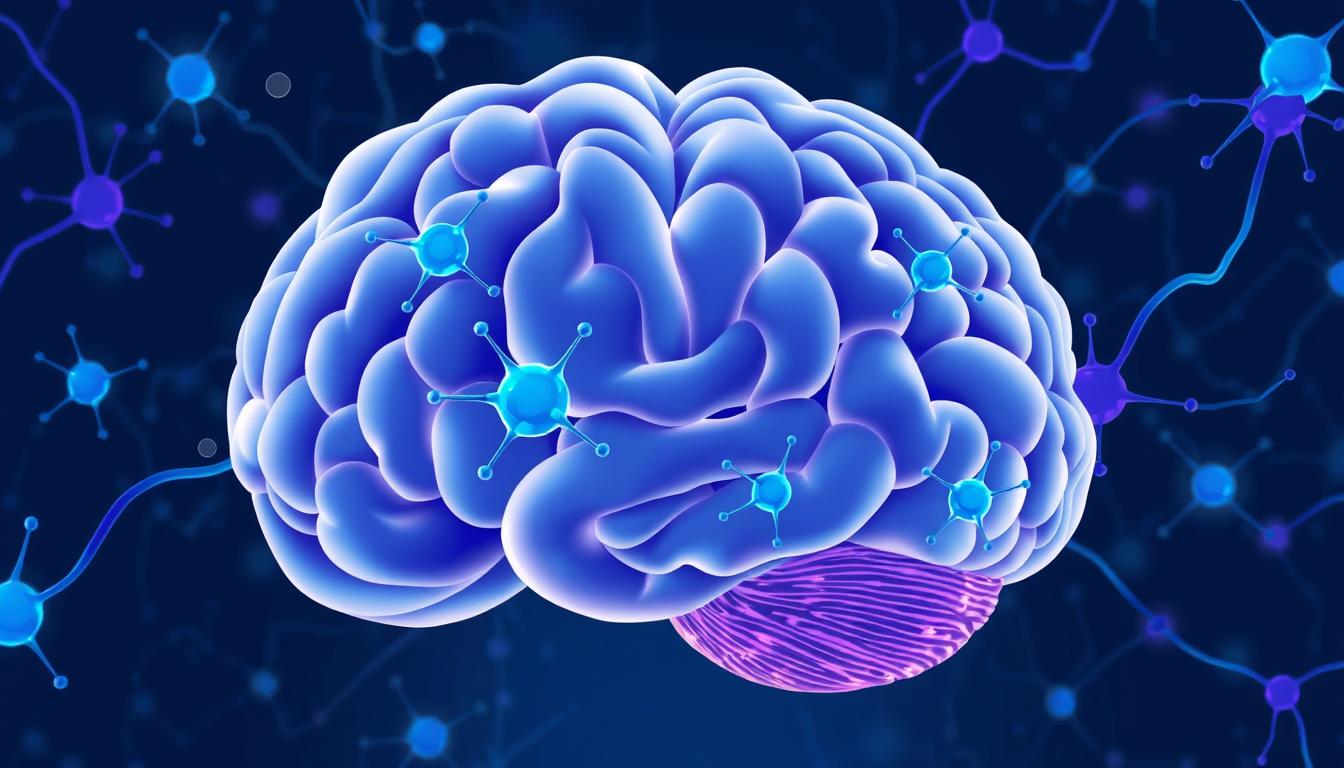
The human brain is about 75% water. This shows how important water is for it. Water helps brain cells work right, sends signals, and keeps the body cool.
Key Functions of Water in the Brain:
- Maintaining cell structure and function
- Facilitating neurotransmitter production
- Regulating body temperature
- Ensuring proper waste removal
Hydration Hacks for Increased Concentration
To improve focus, try these hydration tips every day:
- Drink Water Regularly: Drink 8-10 glasses a day, based on how active you are and where you live.
- Infuse Your Water: Add lemon, lime, or cucumber slices to make water taste better and drink more.
- Monitor Your Urine: If your urine is pale yellow or clear, you’re hydrated. Dark yellow means you need more water.
Foods That Boost Brain Hydration
Eating foods with lots of water can also help keep your brain hydrated. Here are some good choices:
- Cucumbers: They’re about 96% water, making them a great hydrating snack.
- Watermelon: With about 92% water, it’s both refreshing and hydrating.
- Leafy Greens: Spinach, kale, and other greens are full of water and nutrients.
By drinking enough water and eating these foods, you can help your brain stay healthy and focused.
Common Hydration Mistakes to Avoid
Staying hydrated is more than just drinking water. It’s about knowing our body’s needs and avoiding common mistakes. These mistakes can affect our physical well-being.
Overhydration vs. Dehydration
Finding the right balance in hydration is key. Too much water can lead to hyponatremia, an imbalance of electrolytes. Not enough water can cause dehydration, leading to fatigue and dizziness.
- Overhydration Risks: Electrolyte imbalance, swelling of brain and potentially life-threatening.
- Dehydration Risks: Reduced blood pressure, kidney stones, and heatstroke.
Misunderstanding Thirst Signals
Our body’s thirst mechanism isn’t always reliable. Sometimes, thirst can be mistaken for hunger or fatigue. It’s important to drink water regularly, not just when we feel thirsty.
Here are some tips to stay hydrated:
- Drink a glass of water as soon as you wake up.
- Keep a water bottle with you throughout the day.
- Infuse your water with fruits or herbs for added flavor.
Relying on Caffeinated Drinks
Caffeine can increase urine production, leading to dehydration if not balanced with water. While a little caffeine is okay, relying on it for hydration is not good for our physical well-being.
By avoiding these common hydration mistakes, we can improve our health. Let’s make hydration a priority and enjoy the benefits of a well-hydrated body and mind.
Conclusion: Making Hydration a Lifestyle
Embracing hydration as a lifestyle changes how you view Health & Wellness. It’s more than just drinking water. It’s about building a healthy lifestyle that benefits you fully.
Starting with hydration goals is a smart first step. It could be drinking a set amount of water daily or adding hydrating foods to your diet. Having clear goals helps you stay focused. Tracking your water intake is also key. It lets you see how you’re doing and make changes if needed.
Practical Hydration Habits
Creating a routine that fits you is important. You might add fruits or herbs to your water or make broth-based soups a staple. These habits make staying hydrated easy and automatic.
Long-Term Benefits
The benefits of staying hydrated are many and long-lasting. It helps keep your skin healthy and boosts your mental clarity and focus. By making hydration a part of your life, you’re investing in your health and happiness.
FAQ
What are some signs that I’m not drinking enough water?
Signs of dehydration include dark urine, fatigue, headaches, and dizziness. If you’re experiencing these symptoms, it’s likely you need to drink more water throughout the day.
Are there other ways to stay hydrated beside drinking water?
Yes, you can also stay hydrated by eating foods with high water content, like fruits and vegetables. Drinking hydrating teas and broths is also a good idea. These can add variety to your hydration routine.
How do electrolytes impact hydration, and how can I ensure I’m getting enough?
Electrolytes, such as sodium, potassium, and magnesium, are key for hydration. They help balance fluids in your body. You can get them from foods like bananas, avocados, and nuts. Or, consider supplements if you’re active or live in a hot climate.
Can I overdo it on hydration, and what are the risks?
Yes, overhydration, or hyponatremia, can happen if you drink too much water. It causes an imbalance of electrolytes in your body. While rare, it can be serious. So, it’s important to drink water in moderation.
How does climate affect my hydration needs?
Climate greatly affects hydration needs. In hot and humid environments, you’ll need to drink more water. In cold and dry climates, you may need to adjust your hydration routine to account for dry air.
Are there specific hydration tips for different life stages, like pregnancy or older adulthood?
Yes, hydration needs change across different life stages. For example, pregnant individuals may need more water due to increased blood volume. Older adults may need to drink more water due to decreased thirst sensation.
Can hydration impact my mental clarity and focus?
Absolutely, hydration is key for mental clarity and focus. Even mild dehydration can impair cognitive function. So, staying hydrated is essential for mental performance.
What are some common hydration mistakes to avoid?
Common mistakes include relying too heavily on caffeinated drinks and misunderstanding thirst signals. Not adjusting hydration according to climate or activity level is also a mistake. Being mindful of these factors can help you stay properly hydrated.
How can I make hydration a habit and track my progress?
Setting hydration goals, using a hydration app, or tracking your water intake in a journal can help. Making hydration a habit takes time. But with consistent effort, it can become second nature.
Transform your home into a more peaceful and mindful sanctuary. Creating a Zen-inspired home environment is a core part of the “Live.Learn.Create” theme, focusing on peace, mindfulness, and a clutter-free space. Here is a curated list of Zen home items.
The Zen Essentials
These items are the building blocks of a calm, intentional living space.
- Candles & Scents:
- Scented Candles: Look for calming, natural scents like sandalwood, lavender, white tea, or bergamot. Choose candles made with soy or beeswax for a clean burn.
- Essential Oil Diffusers: A minimalist, sleek diffuser made of bamboo, ceramic, or glass.
- Essential Oil Sets: Look for blends specifically for relaxation, focus, or sleep.
- Incense & Burners: Natural incense sticks (e.g., palo santo, sage) with a simple, elegant burner.
The Zen Decor
This is about incorporating natural elements and simple design.
- Natural Materials:
- Wood or Bamboo Trays: For organizing candles, stones, or other small items.
- Ceramic Vases: Simple, unglazed ceramic vases in neutral colors like white, beige, or gray.
- Minimalist Art: Simple line drawings, abstract prints, or nature-inspired artwork.
- Hand-Carved Stone Coasters: Or other small stone sculptures.
- Textiles:
- Linen or Cotton Throws: A soft, neutral-colored throw blanket to add warmth.
- Jute or Sisal Rugs: These add natural texture and grounding to a space.
- Meditation Cushions (Zafu) & Mats (Zabuton): These provide comfort for meditation and add a serene touch to a room.
The Zen Ambiance
These items help create a peaceful sensory experience.
- Lighting:
- Himalayan Salt Lamps: These provide a warm, soft glow.
- Japanese-style Paper Lanterns: For a soft, diffused light source.
- Dimmable Smart Bulbs: To easily control the warmth and brightness of your lighting.
- Sound:
- Tabletop Water Fountains: The gentle sound of running water is incredibly calming.
- Wind Chimes: Made from natural materials like bamboo or metal for a soft sound.
- Bluetooth Speakers: Small, aesthetically pleasing speakers for playing ambient or meditation music.
- Nature:
- Bonsai Trees or Air Plants: Low-maintenance indoor plants that bring life and a touch of nature indoors.
- Zen Gardens: A small, tabletop sand garden with a rake and stones for a meditative ritual.
- Decorative Rocks & Pebbles: For bowls or as a decorative element.
Best Sellers https://amzn.to/3Vet1tI
New Releases https://amzn.to/4mwLjTi
Amazon Movers & Shakers https://amzn.to/4fPsZlP
Mindfulness Coloring Books https://amzn.to/4fQ0wMx
Personal Growth Coloring Books https://amzn.to/4lJeRf0
Health & Wellness https://amzn.to/4oRt24C
Zen Home Decor https://amzn.to/3VeA3i6
Zen Garden Decor https://amzn.to/4mXjT8D
Zen Garden https://amzn.to/3HQTVVB
- Mindfulness & Meditation:
- Physical Wellness:
- Habit & Productivity Tools:
- Books:
- Best-selling personal development books (Mindset, The 7 Habits of Highly Effective People, The Subtle Art of Not Giving a F*ck)
- Books on a variety of skills (coding, photography, writing.)
- Educational Gadgets:
- Smart pens that digitize notes (e.g., Rocketbook)
- Portable scanners for digitizing documents
- Laptops, tablets, and accessories
Create (Creativity, Innovation, Projects)
These products cater to your creative side, whether you are a artists, writer, or DIY enthusiasts.
- Creative Supplies:
- Adult coloring books or “paint-by-sticker” books
- Craft kits (e.g., candle-making, pottery, embroidery)
- Digital Creation Tools:
- General Inspiration & Making: