
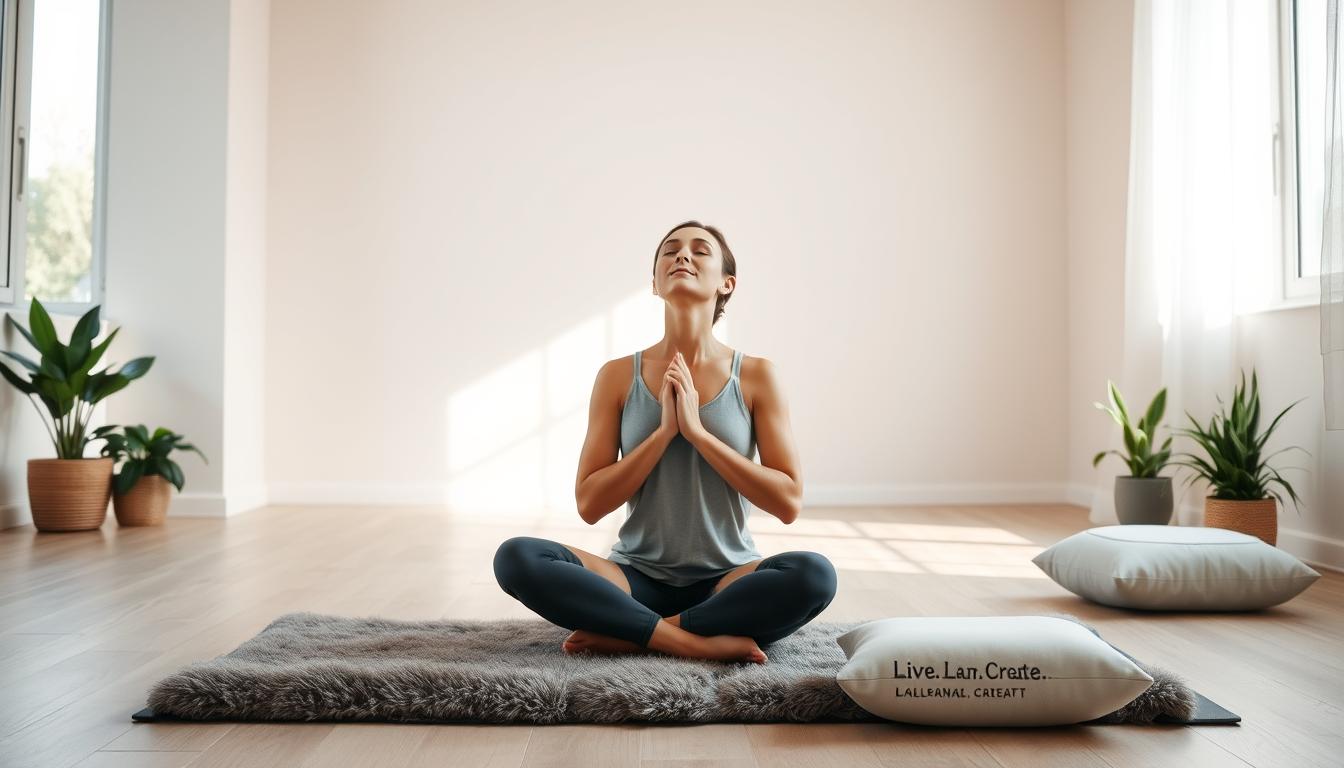
Ever feel like stress is running your life? You’re not alone. Simple breathing techniques can be a game-changer—helping you regain control and find calm. From universities to community programs, these practices are backed by experts like Carmen Galloway, whose books and courses make mindfulness accessible to everyone.
Places like UChicago integrate mindfulness into student care, proving that small habits create big shifts. Whether you’re at home or part of a larger wellness initiative, breathing exercises bridge personal and collective healing. Ready to start your journey toward balance? Let’s dive in.
Key Takeaways
- Breathing exercises are a powerful tool for managing daily stress.
- Experts like Carmen Galloway offer practical guidance for beginners.
- Programs at institutions like UChicago highlight the value of mindfulness.
- These techniques work for both personal and community support.
- Small, consistent practices can lead to lasting calm and clarity.
The Science Behind Breathing and Stress Relief
Science confirms what ancient practices always knew—breathing changes everything. From labs to community clinics, researchers now understand how controlled breaths flip a biological “calm switch.” Let’s explore how this works—and why institutions like UChicago integrate these techniques into their care models.
How Controlled Breathing Affects the Nervous System
Deep, rhythmic breathing activates the parasympathetic nervous system—your body’s natural relaxant. Think of it as hitting pause on stress hormones. Studies at UChicago’s Mindfulness Meditation program show how diaphragmatic breathing:
- Slows heart rate within minutes
- Reduces cortisol (the stress hormone) by up to 30%
- Improves digestion—a key marker of relaxation
The Role of Oxygen in Mental Clarity and Relaxation
More oxygen doesn’t just fuel cells—it sharpens focus and soothes emotions. Wellness West’s integrated network uses this principle to help patients with chronic conditions. Here’s why oxygen matters:
- Boosts prefrontal cortex activity (decision-making)
- Balances neurotransmitters linked to anxiety
- Supports sleep quality—critical for mental health
Even elite athletes use these techniques. The takeaway? Your breath is a free, always-available healthcare tool.
4 HEALTH & WELLNESS Breathing Techniques to Try Today
Feeling overwhelmed? These four breathing techniques can reset your day. Recommended by experts like Carmen Galloway and integrated into UChicago’s programs, they’re designed for real-life stress—whether you’re at home or on campus.

Diaphragmatic Breathing for Deep Relaxation
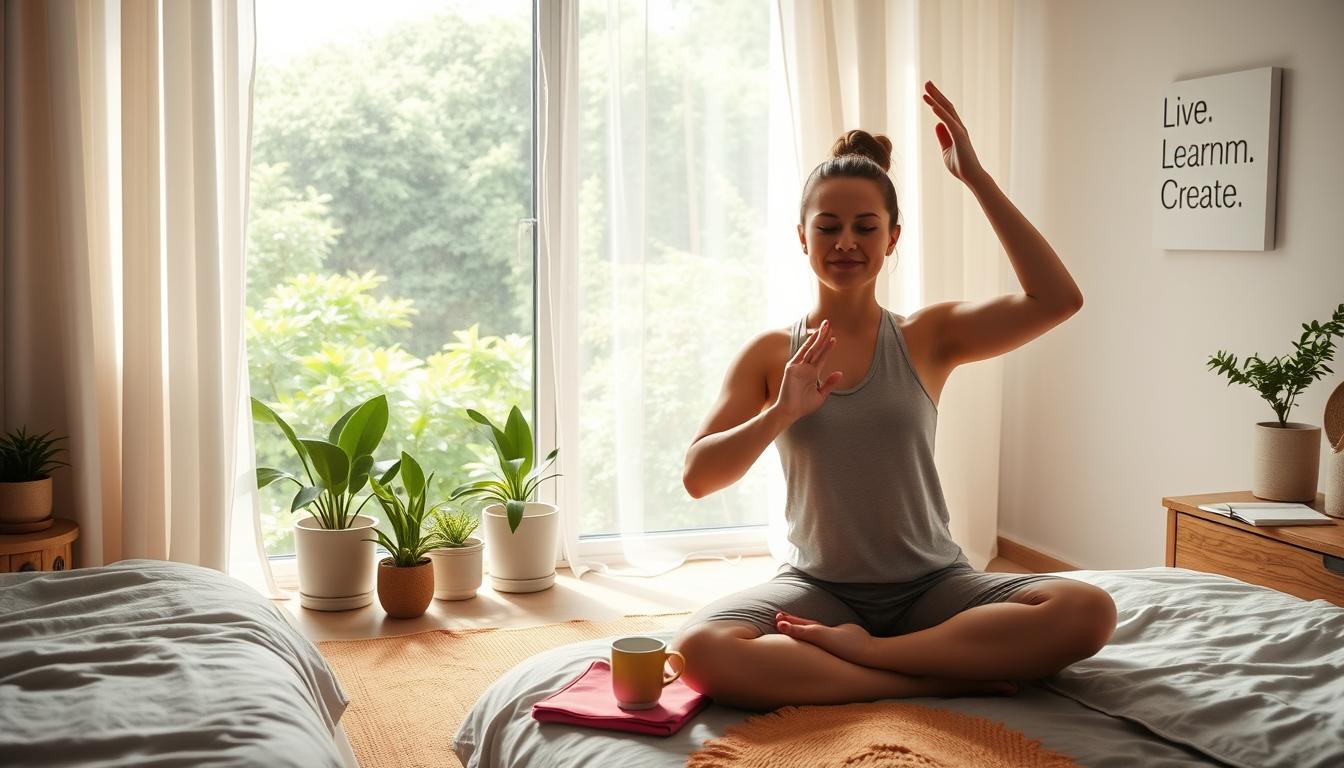
Also called “belly breathing,” this method activates full oxygen flow. Peer health advocates at UChicago teach it to students during finals. Here’s how:
- Place one hand on your chest, the other on your belly.
- Inhale deeply through your nose, feeling your abdomen rise.
- Exhale slowly, pursing your lips like blowing out a candle.
Pro tip: Try it during Wellness Homes’ morning sessions—no experience needed.
Box Breathing for Immediate Calm
Used by Navy SEALs and campus teams alike, this technique creates instant focus. Inhale for 4 counts, hold for 4, exhale for 4, and pause. Repeat until your pulse steadies.
“Box breathing is my go-to before high-pressure meetings. It’s like a reset button for your nervous system.”
4-7-8 Technique for Sleep and Anxiety
Perfect for restless nights, this rhythm mimics sleep-inducing waves. Inhale for 4 seconds, hold for 7, exhale for 8. FitChicago pairs it with gentle stretches for deeper rest.
Alternate Nostril Breathing for Balance
Rooted in yoga, this practice harmonizes both brain hemispheres. Close one nostril, inhale, switch, and exhale. Spiritual life resources at UChicago often incorporate it into meditation circles.
Remember: Start with 2–3 minutes. Even short sessions build resilience.
Expert Guidance: Learn from Carmen Galloway’s Resources
Want expert-backed breathing techniques at your fingertips? Carmen Galloway—a leader in mindful practices—offers books and courses designed for real-world stress relief. Her work bridges personal growth and clinical care, making it a favorite among patients and professionals alike.
Carmen Galloway’s Books: Practical Tools for Daily Calm
Find her guides at Barnes & Noble and Apple Books, where they’re praised for blending science with simplicity. These resources align with university wellness programs, offering step-by-step protocols. Highlights include:
- Breath by Breath: Teaches diaphragmatic techniques used in Wellness West’s network.
- Calm in Chaos: Features methods documented in health equity reports.
“Carmen’s books are like having a coach in your pocket—accessible and transformative.”
Master Breathing Techniques with Udemy Courses
Her Udemy courses dive deeper, approved by healthcare professionals for stress management. Perfect for:
| Resource | Best For | Key Feature |
|---|---|---|
| Breathing for Busy Lives | Professionals | 5-minute routines |
| Mindful Foundations | Beginners | UChicago’s program-tested |
Both formats mirror UChicago’s insurance-coordinated care, ensuring accessibility. Whether you prefer reading or interactive learning, Carmen’s tools adapt to your journey.
Conclusion:
Embrace Breathing as Your Daily Wellness Tool
Your breath holds more power than you realize—it’s a daily anchor in life’s storms. At UChicago, students in HELP programs and Wellness Homes spaces prove small breaths create big shifts. This isn’t just self-care; it’s how we rebuild our collective resilience.
Make these techniques part of your journey:
- Start with 2-minute sessions—consistency beats duration
- Share methods with your community to amplify impact
- Track progress using campus wellness calendars
Carmen Galloway’s resources and clinical support networks show how mindful breathing transforms healthcare from treatment to prevention. Your next inhale isn’t just air—it’s possibility.
Explore a range of resources designed to enhance your creative skills. Whether you’re looking for inspiration or structured guidance, Carmen Galloway’s works provide valuable insights into the creative process.
Join interactive courses that challenge you to think differently and expand your creative horizons. Each course is crafted to help you develop a robust creative mindset.
FAQ
How does controlled breathing help reduce stress?
Controlled breathing activates the parasympathetic nervous system, slowing your heart rate and signaling relaxation. It counteracts the body’s stress response, promoting calm and mental clarity.
Which breathing technique works best for anxiety?
The 4-7-8 technique is highly effective for anxiety—inhale for 4 seconds, hold for 7, exhale for 8. It regulates oxygen flow and quiets the mind quickly.
Can breathing exercises improve sleep?
Yes! Diaphragmatic breathing before bed lowers cortisol levels and prepares your body for rest. Try slow, deep breaths to unwind and transition into sleep naturally.
Where can I learn more about advanced techniques?
Carmen Galloway’s Udemy courses offer step-by-step guidance, while her books—available at Barnes & Noble—provide science-backed methods for mastering breathwork.
How often should I practice these exercises?
Even 5–10 minutes daily can make a difference. Consistency matters more than duration—integrate them into morning routines or stressful moments for lasting benefits.

Transform your home into a more peaceful and mindful sanctuary. Creating a Zen-inspired home environment is a core part of the “Live.Learn.Create” theme, focusing on peace, mindfulness, and a clutter-free space. Here is a curated list of Zen home items.
The Zen Essentials
These items are the building blocks of a calm, intentional living space.
- Candles & Scents:
- Scented Candles: Look for calming, natural scents like sandalwood, lavender, white tea, or bergamot. Choose candles made with soy or beeswax for a clean burn.
- Essential Oil Diffusers: A minimalist, sleek diffuser made of bamboo, ceramic, or glass.
- Essential Oil Sets: Look for blends specifically for relaxation, focus, or sleep.
- Incense & Burners: Natural incense sticks (e.g., palo santo, sage) with a simple, elegant burner.
The Zen Decor
This is about incorporating natural elements and simple design.
- Natural Materials:
- Wood or Bamboo Trays: For organizing candles, stones, or other small items.
- Ceramic Vases: Simple, unglazed ceramic vases in neutral colors like white, beige, or gray.
- Minimalist Art: Simple line drawings, abstract prints, or nature-inspired artwork.
- Hand-Carved Stone Coasters: Or other small stone sculptures.
- Textiles:
- Linen or Cotton Throws: A soft, neutral-colored throw blanket to add warmth.
- Jute or Sisal Rugs: These add natural texture and grounding to a space.
- Meditation Cushions (Zafu) & Mats (Zabuton): These provide comfort for meditation and add a serene touch to a room.
The Zen Ambiance
These items help create a peaceful sensory experience.
- Lighting:
- Himalayan Salt Lamps: These provide a warm, soft glow.
- Japanese-style Paper Lanterns: For a soft, diffused light source.
- Dimmable Smart Bulbs: To easily control the warmth and brightness of your lighting.
- Sound:
- Tabletop Water Fountains: The gentle sound of running water is incredibly calming.
- Wind Chimes: Made from natural materials like bamboo or metal for a soft sound.
- Bluetooth Speakers: Small, aesthetically pleasing speakers for playing ambient or meditation music.
- Nature:
- Bonsai Trees or Air Plants: Low-maintenance indoor plants that bring life and a touch of nature indoors.
- Zen Gardens: A small, tabletop sand garden with a rake and stones for a meditative ritual.
- Decorative Rocks & Pebbles: For bowls or as a decorative element.
Best Sellers https://amzn.to/3Vet1tI
New Releases https://amzn.to/4mwLjTi
Amazon Movers & Shakers https://amzn.to/4fPsZlP
Mindfulness Coloring Books https://amzn.to/4fQ0wMx
Personal Growth Coloring Books https://amzn.to/4lJeRf0
Health & Wellness https://amzn.to/4oRt24C
Zen Home Decor https://amzn.to/3VeA3i6
Zen Garden Decor https://amzn.to/4mXjT8D
Zen Garden https://amzn.to/3HQTVVB
- Mindfulness & Meditation:
- Physical Wellness:
- Habit & Productivity Tools:
- Books:
- Best-selling personal development books (Mindset, The 7 Habits of Highly Effective People, The Subtle Art of Not Giving a F*ck)
- Books on a variety of skills (coding, photography, writing.)
- Educational Gadgets:
- Smart pens that digitize notes (e.g., Rocketbook)
- Portable scanners for digitizing documents
- Laptops, tablets, and accessories
Create (Creativity, Innovation, Projects)
These products cater to your creative side, whether you are a artists, writer, or DIY enthusiasts.
- Creative Supplies:
- Adult coloring books or “paint-by-sticker” books
- Craft kits (e.g., candle-making, pottery, embroidery)
- Digital Creation Tools:
- General Inspiration & Making: