
“The mind is everything; what you think, you become.” – Buddha
This wise saying shows how meditation can change our lives. It helps us get deep sleep and feel relaxed. In our busy world, taking care of our minds is key. Guided meditation scripts guide us to peace, calming our minds and bodies.
Starting this journey? There are tools to help. On amazon.com, you can find many items for meditation. There are cushions, CDs, and journals. These can make your space perfect for relaxing and sleeping well.
Key Takeaways
- Guided meditation scripts can significantly improve sleep quality.
- Meditation is a powerful tool for improving mental health.
- Guided meditation products can help you stick to your routine.
- Relaxation techniques can lower stress and anxiety.
- Creating a calm space is important for good meditation.
Understanding Healing & Mindfulness in Meditation
Healing and mindfulness are key parts of meditation. They help us relax deeply and take care of ourselves. By learning about these, we can make our meditation better and feel more well-rounded.
Mindfulness is at the heart of meditation. It means being fully in the moment, without distractions or judgments. This is important for self-care and achieving wellness.
Importance of Mindfulness
Mindfulness is vital in meditation. It helps us notice our thoughts, feelings, and body sensations better. This awareness helps us manage stress and anxiety, making life more balanced.
- Reduces Stress: Mindfulness lowers stress hormones like cortisol, making us calmer.
- Improves Focus: It makes our attention and concentration better by keeping us present.
- Enhances Emotional Regulation: We can handle emotions better, responding well to tough situations.
Benefits of Healing Through Meditation
Healing through meditation uses techniques to fix and refresh the mind and body. It can reduce chronic pain, improve mood, and boost overall well-being.
Some key benefits of healing through meditation are:
- Reduced Chronic Pain: Meditation makes us more tolerant of pain and less reactive emotionally.
- Improved Mood: It can help with depression and anxiety by making our mood better.
- Enhanced Well-being: Meditation relaxes us and reduces stress, making us feel better overall.
By adding mindfulness and healing to meditation, we can see big positive changes. These changes help us care for ourselves better and achieve wellness.
Tools for Effective Guided Meditation
Creating a good environment and using technology are key for effective guided meditation. To reach deep relaxation and mindfulness, having the right tools is essential.
Choosing the Right Environment
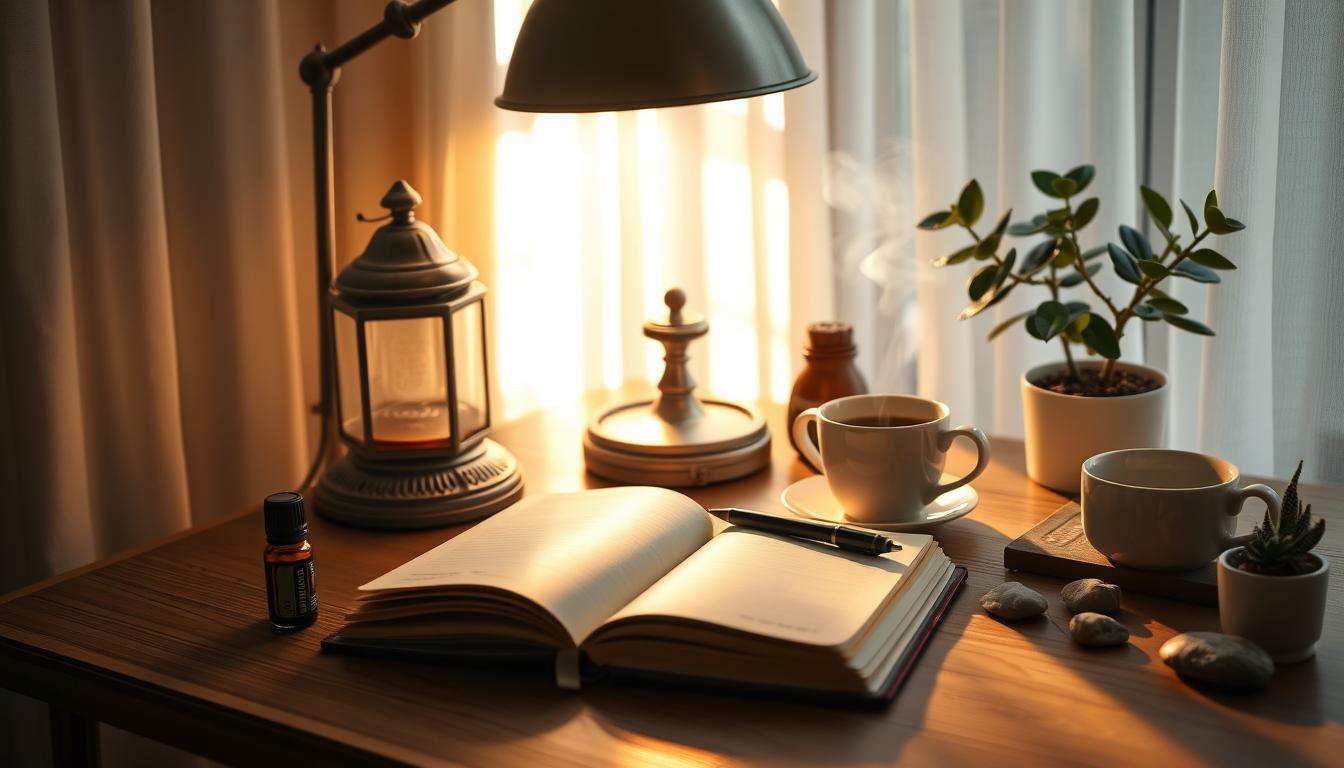
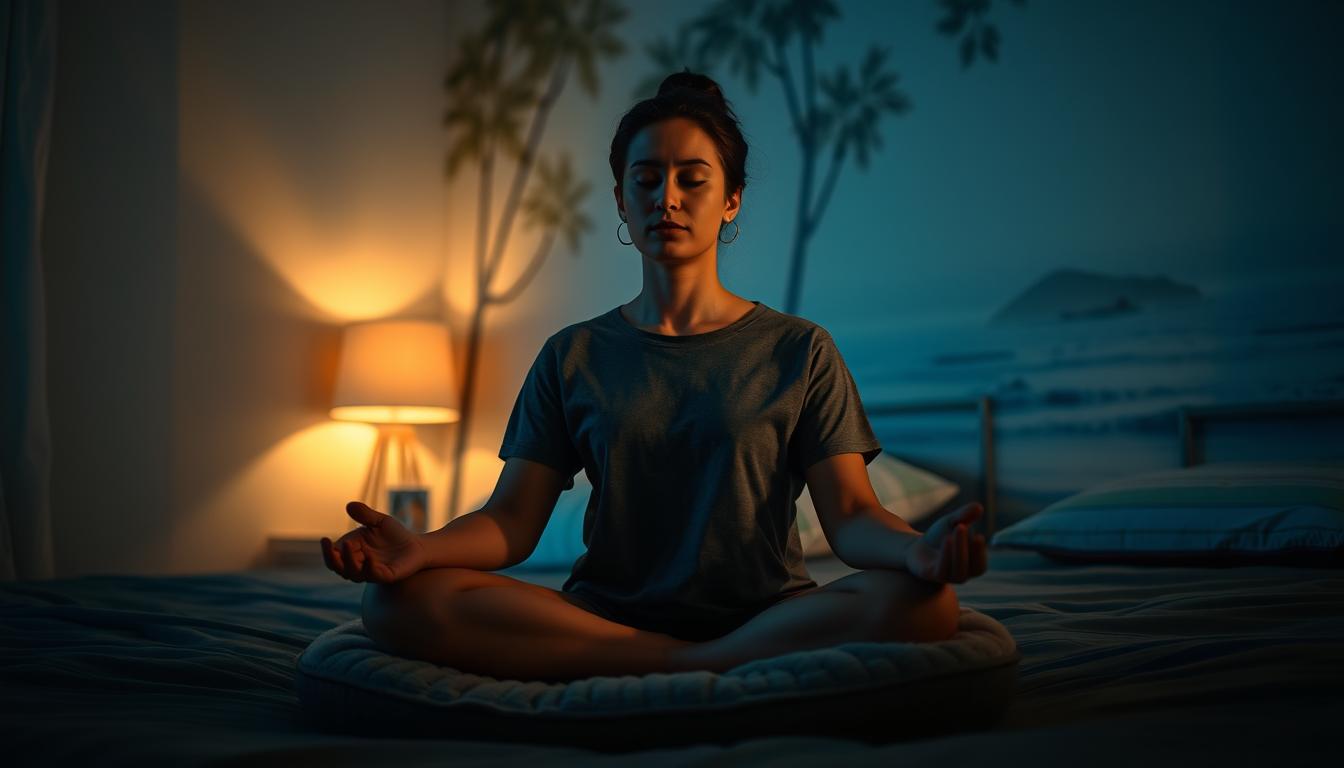
Finding a quiet, comfy spot is important for meditation. This area should have no distractions, so you can focus on your practice. Adding candles or soft lights can make the space even more calming.
Utilizing Technology for Meditation
Technology can really improve your meditation. Meditation apps, for example, offer guided sessions. These sessions teach various relaxation and stress relief techniques. They also let you track your progress.
Recommended Apps for Meditation
Many apps are great for meditation. Headspace and Calm are favorites for their gentle guidance and soothing music. They have sessions for different needs, like mindfulness meditation and improving sleep.
| App Name | Key Features | Cost |
|---|---|---|
| Headspace | Personalized meditation sessions, sleep stories | $12.99/month |
| Calm | Guided meditations, sleep stories, relaxing music | $14.99/month |
| Insight Timer | Free guided meditations, timer for personal practice | Free, with premium options |
Using these tools can make your meditation better. Try different places and apps to see what suits you best.
Script Elements for Deep Sleep
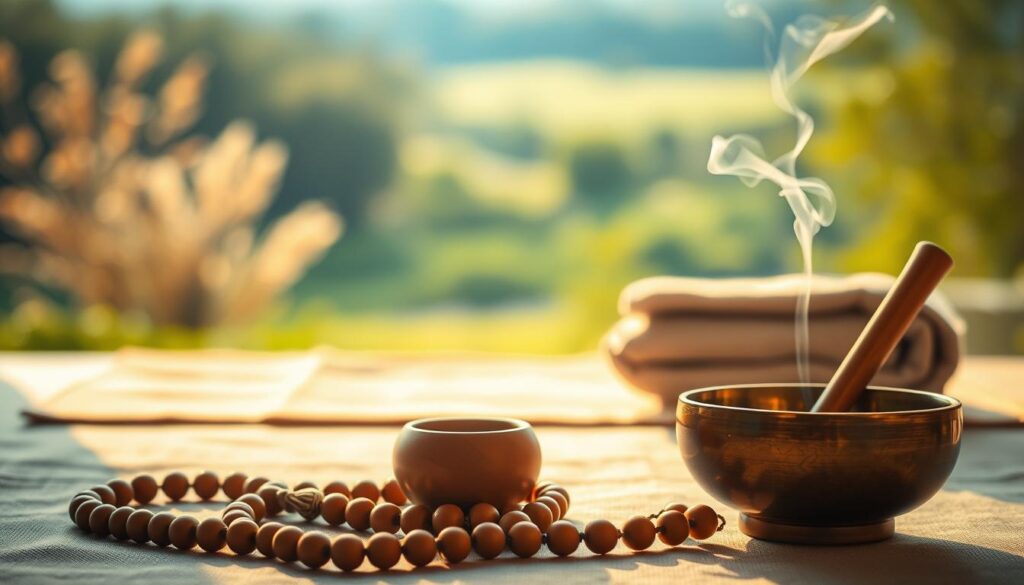
Guided meditation scripts for deep sleep are most effective when they include a mix of narrative, language, and breathing techniques. These elements work together to create a powerful tool for achieving deep relaxation and improving sleep quality.
Crafting a Relaxing Narrative
A relaxing narrative is the foundation of a guided meditation script for deep sleep. It’s essential to create a story that transports the listener to a peaceful environment, free from distractions. Imagine yourself in a serene landscape, surrounded by calming sounds and sensations. This narrative should be gentle, flowing, and easy to follow, allowing the listener to let go of their worries and tensions.
As you craft your narrative, consider incorporating elements of nature, such as a calm beach or a quiet forest. These environments are often associated with feelings of relaxation and tranquility. The key is to create a sense of safety and calm, allowing the listener to feel protected and supported throughout the meditation.
Using Soothing Language
The language used in your guided meditation script is key for inducing deep sleep. Soothing language can calm the mind and promote relaxation. Choose words and phrases that are gentle, calming, and reassuring. Avoid using language that might be perceived as stressful or alerting.
For example, you might use phrases like “Breathe deeply, and as you exhale, feel any tension release from your body.” This kind of language helps the listener focus on their breath and relax further.
“The gentle voice of the guide is like a lullaby, soothing the mind and calming the body.”
By using soothing language, you can create a peaceful atmosphere that fosters deep sleep.
Incorporating Breathing Techniques
Breathing techniques are an essential component of guided meditation for deep sleep. Deep, slow breaths can help slow down the heart rate, lower blood pressure, and promote relaxation. Instruct your listeners to breathe deeply, focusing on the sensation of the breath moving in and out of the body.
For instance, you might guide them with instructions like “Inhale slowly through your nose, filling your lungs completely, and then exhale slowly through your mouth, releasing any tension.” This helps to calm the nervous system and prepare the body for deep sleep. By incorporating breathing techniques into your script, you can enhance the overall effectiveness of the meditation.
The Role of Visualization in Sleep
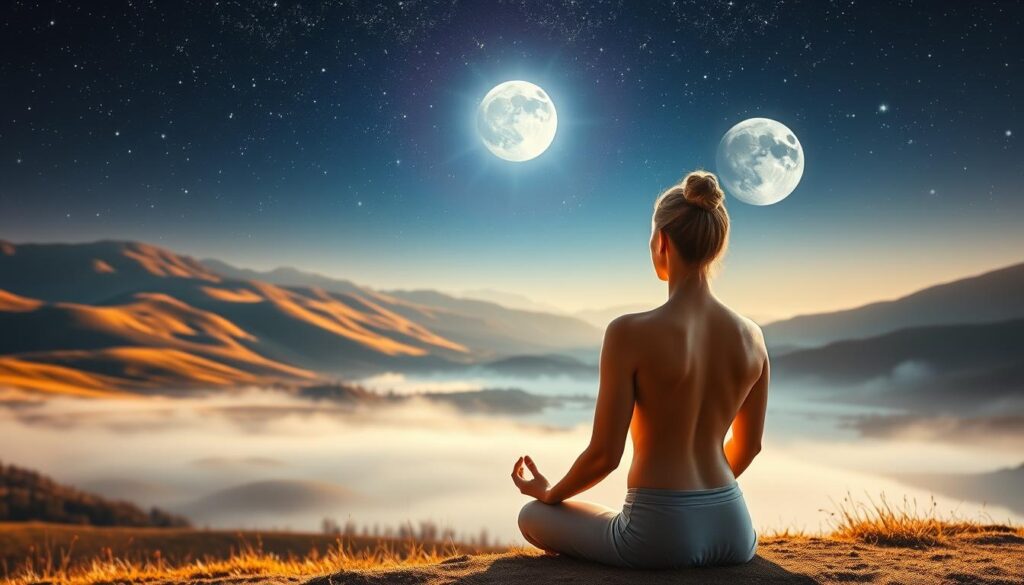
Visualization is key in guided meditation, leading to deep relaxation and spiritual awakening. It helps you imagine a peaceful scene, calming your mind and body for sleep.
Start by taking a few deep breaths to relax. Then, picture yourself in a serene place, like a beach at sunset or a quiet forest. This prepares you for a good night’s sleep.
Techniques for Effective Visualization
To enhance your visualization, try these tips:
- Engage all your senses to create a detailed mental picture. Think about what you see, hear, smell, taste, and feel in your chosen environment.
- Practice regularly to get better at relaxing and falling asleep through visualization.
- Use guided meditation scripts or recordings to help you, if you’re new to this.
Sample Visualization Scripts
Here are some visualization scripts to get you started:
“Picture yourself on a peaceful beach at sunset. Feel the sand, the breeze, and the sound of waves. As you breathe in, let go of stress. As you breathe out, feel yourself relax and calm, like the quiet waters of a lagoon.”
Adding visualization to your meditation can help you relax, reduce stress, and sleep better. It also supports your spiritual growth and awakening.
How to Use Sound in Guided Meditations
Sound is a key tool in guided meditation, opening doors to deeper relaxation and peace. By using relaxation tools like ambient sounds and binaural beats, your meditation can improve a lot.
The Benefits of Ambient Sounds
Ambient sounds, like rain or ocean waves, create a calm atmosphere. They help listeners release stress and anxiety. These natural sounds can take you to a peaceful place, making meditation easier.
Using ambient sounds in guided meditations can also block out distracting noises. This makes your meditation more focused and immersive. It’s great for places where it’s hard to find quiet.
Incorporating Binaural Beats
Binaural beats are a powerful relaxation tool for guided meditations. They change your brainwave frequencies to help you relax deeply and feel less anxious.
To add binaural beats to your meditation, use apps or online resources with binaural beats tracks. It’s important to pick tracks that match your preferences and meditation goals.
Combining ambient sounds with binaural beats makes a strong guided meditation. It promotes deep relaxation and peace. Try different relaxation techniques to see what works best for you.
Creating a Personalized Meditation Script
Creating a meditation script just for you can bring more Healing & Mindfulness into your life. It lets you tackle your unique challenges, leading to better relaxation and mental health.
When making your script, think about what you need. Reflect on your personal struggles, what you want from meditation, and your goals. This will help you craft a script that truly supports you.
Tailoring Scripts to Individual Needs
It’s key to make your script fit your personal needs. Think about what you want to improve in your life. Do you want to reduce stress, sleep better, or feel more well-being? A script that targets these areas can help improve your mental health.
For example, if anxiety is a problem, your script could include calming images and gentle affirmations. If you’re trying to sleep better, it might have soothing stories and breathing exercises to relax you.
Adjusting Length and Pace of Scripts
The length and pace of your script matter too. Sometimes, a short script is what you need, while other times, a longer one is better. Try different lengths and speeds to find what works for you.
Adjusting these aspects makes your meditation practice flexible and adaptable. This flexibility is essential for keeping up a regular practice and enjoying the benefits of Healing & Mindfulness.
Guided Meditation for Stress Relief
Guided meditation is a powerful tool to reduce stress and find calm in our busy lives. Adding it to your daily routine can lower stress and anxiety. This leads to better overall well-being.
Techniques to Alleviate Anxiety
Guided meditation uses several methods to ease anxiety. Progressive muscle relaxation relaxes muscles one by one, easing physical tension. Visualization helps by imagining a peaceful place, calming your mind.
Breathing exercises are also helpful. Deep, slow breaths calm your nervous system, reducing stress. Mindfulness meditation focuses on the now, helping you let go of past or future worries.
Sample Stress Relief Scripts
Starting with stress relief scripts can help with guided meditation. Here’s a sample script:
“Imagine yourself standing on a serene beach at sunset. With each breath, feel the tension in your body ease. As the waves gently lap at the shore, allow your worries to drift away. With every exhalation, feel yourself becoming more relaxed, more grounded.”
To get the most from guided meditation, create a peaceful space. Find a quiet, comfy spot for meditation. Using guided meditation apps or recordings can also help, with various scripts and music.
| Technique | Description | Benefits |
|---|---|---|
| Progressive Muscle Relaxation | Systematically relaxing different muscle groups | Reduces physical tension, promotes relaxation |
| Visualization | Imagining a peaceful, safe environment | Calms the mind, reduces anxiety |
| Breathing Exercises | Deep, slow breaths to calm the nervous system | Reduces feelings of anxiety and stress |
Using these techniques and scripts in your meditation can improve your self-care practices and holistic wellness. Regular practice makes facing life’s challenges easier and builds resilience.
Nurturing a Regular Meditation Practice
Meditation’s true power comes from a daily habit. It reduces stress and boosts your well-being.
Building a Daily Routine
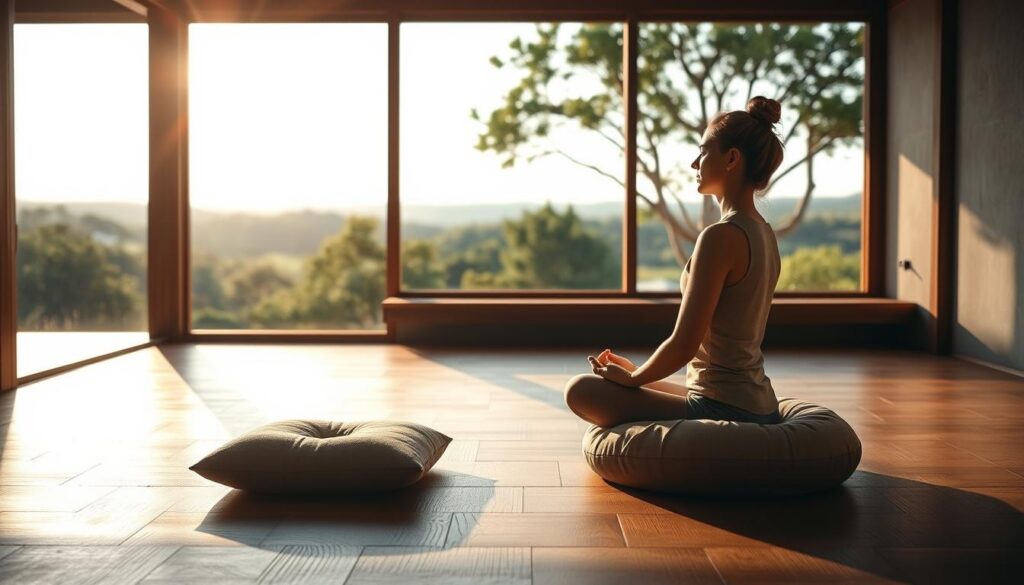
Start by picking a time each day for meditation. It could be morning, lunch, or before bed. Consistency is key, so pick a time you can keep every day.
Begin with 5-10 minutes and grow as you get more comfortable. Use mindfulness meditation to stay focused.
Tips for Consistency
Staying consistent with meditation is key. Here are some tips:
- Start small and be gentle with yourself – it’s better to begin with a short, achievable practice than to try to meditate for too long and become discouraged.
- Create a conducive environment for meditation, free from distractions and interruptions.
- Use guided meditations or apps to help you stay on track, even when you’re just starting out.
- Be patient and kind to yourself – developing a meditation practice takes time, and it’s normal to encounter challenges along the way.
Adding stress relief techniques to your meditation can make it even more beneficial. It can improve your life quality.
Remember, the journey of meditation is as important as the outcome. With regular effort and patience, you’ll find more calm, clarity, and well-being in your life.
Incorporating Healing Practices into Meditation
Adding healing practices to meditation can change us deeply, bringing inner peace. These practices make our meditation better, helping with emotional healing and well-being.
Understanding Energy Healing
Energy healing aims to balance and align our body’s energy for health. In meditation, it helps clear blockages and restore energy flow. This leads to deeper relaxation and peace.
Learning about energy healing lets us tailor meditation to meet our needs. We can use breathing techniques or mindfulness resources to support it.
Adding Affirmations to Your Scripts
Affirmations are positive statements that change our mindset. In meditation, they help with emotional healing and growth.
To use affirmations well, pick areas you want to improve, like confidence. Make affirmations positive, present, and personal. For example, “I am capable and strong” or “I trust in my ability to navigate challenges.”
- Repeat affirmations gently, allowing their positive message to sink deeply into your mind.
- Use visualization techniques to enhance the impact of affirmations, imagining yourself embodying the qualities you wish to cultivate.
- Practice regularly, as consistency is key to integrating the benefits of affirmations into your daily life.
By adding energy healing and affirmations to meditation, we make it more powerful. It boosts our emotional and mental health. It also helps us live a more mindful and fulfilling life.
Resources for Further Exploration
As you continue on your journey of guided meditation, you’ll find many resources to support your spiritual awakening. These resources can help deepen your practice. Exploring them can keep you committed to your personal growth and mindful living.
Recommended Reading and Learning
Books by renowned authors in mindfulness and meditation are a great start. Online classes and workshops offer an interactive way to learn. They let you dive deeper into specific techniques and relaxation tools.
Guided Meditation Resources
Amazon.com has a wide range of relaxation tools and guided meditation resources. You can find meditation apps, guided meditation CDs, and mindfulness journals. These can help you create a peaceful environment and improve your meditation practice.
By adding these resources to your daily routine, you can cultivate calm and clarity. This supports your overall well-being and spiritual growth.
FAQ
What is guided meditation, and how can it help with deep sleep and relaxation?
Guided meditation is a way to relax by listening to a soothing voice. It helps by reducing stress and anxiety. It also promotes a peaceful state of mind.
How do I choose the right environment for guided meditation?
Pick a quiet, comfy spot with no distractions. Use tools like meditation cushions and candles to make it peaceful.
What are some recommended apps for guided meditation?
Headspace and Calm are great apps for meditation. They have meditations for stress, sleep, and relaxation. You can also find more apps on amazon.com.
How can I create a personalized meditation script?
Make your script personal by focusing on what you need. Adjust the length and pace. Add breathing, visualization, and affirmations. Use calm language to relax.
What is the role of sound in guided meditation?
Sound is key in meditation, with sounds and beats helping to relax. Use nature sounds, white noise, or music to enhance your meditation.
How can guided meditation help with stress relief and anxiety?
Meditation reduces stress and anxiety by relaxing and calming the mind. Use techniques like progressive muscle relaxation and visualization to feel better.
What are some tips for maintaining a consistent meditation practice?
Start small and be kind to yourself. Make meditation a daily habit. Use apps and scripts to help you stay on track.
Where can I find guided meditation resources and products?
Find meditation resources on amazon.com. They have apps, CDs, journals, and tools. Also, check out online classes and books for support.
Transform your home into a more peaceful and mindful sanctuary. Creating a Zen-inspired home environment is a core part of the “Live.Learn.Create” theme, focusing on peace, mindfulness, and a clutter-free space. Here is a curated list of Zen home items.
The Zen Essentials
These items are the building blocks of a calm, intentional living space.
- Candles & Scents:
- Scented Candles: Look for calming, natural scents like sandalwood, lavender, white tea, or bergamot. Choose candles made with soy or beeswax for a clean burn.
- Essential Oil Diffusers: A minimalist, sleek diffuser made of bamboo, ceramic, or glass.
- Essential Oil Sets: Look for blends specifically for relaxation, focus, or sleep.
- Incense & Burners: Natural incense sticks (e.g., palo santo, sage) with a simple, elegant burner.
The Zen Decor
This is about incorporating natural elements and simple design.
- Natural Materials:
- Wood or Bamboo Trays: For organizing candles, stones, or other small items.
- Ceramic Vases: Simple, unglazed ceramic vases in neutral colors like white, beige, or gray.
- Minimalist Art: Simple line drawings, abstract prints, or nature-inspired artwork.
- Hand-Carved Stone Coasters: Or other small stone sculptures.
- Textiles:
- Linen or Cotton Throws: A soft, neutral-colored throw blanket to add warmth.
- Jute or Sisal Rugs: These add natural texture and grounding to a space.
- Meditation Cushions (Zafu) & Mats (Zabuton): These provide comfort for meditation and add a serene touch to a room.
The Zen Ambiance
These items help create a peaceful sensory experience.
- Lighting:
- Himalayan Salt Lamps: These provide a warm, soft glow.
- Japanese-style Paper Lanterns: For a soft, diffused light source.
- Dimmable Smart Bulbs: To easily control the warmth and brightness of your lighting.
- Sound:
- Tabletop Water Fountains: The gentle sound of running water is incredibly calming.
- Wind Chimes: Made from natural materials like bamboo or metal for a soft sound.
- Bluetooth Speakers: Small, aesthetically pleasing speakers for playing ambient or meditation music.
- Nature:
- Bonsai Trees or Air Plants: Low-maintenance indoor plants that bring life and a touch of nature indoors.
- Zen Gardens: A small, tabletop sand garden with a rake and stones for a meditative ritual.
- Decorative Rocks & Pebbles: For bowls or as a decorative element.
Best Sellers https://amzn.to/3Vet1tI
New Releases https://amzn.to/4mwLjTi
Amazon Movers & Shakers https://amzn.to/4fPsZlP
Mindfulness Coloring Books https://amzn.to/4fQ0wMx
Personal Growth Coloring Books https://amzn.to/4lJeRf0
Health & Wellness https://amzn.to/4oRt24C
Zen Home Decor https://amzn.to/3VeA3i6
Zen Garden Decor https://amzn.to/4mXjT8D
Zen Garden https://amzn.to/3HQTVVB
- Mindfulness & Meditation:
- Physical Wellness:
- Habit & Productivity Tools:
- Books:
- Best-selling personal development books (Mindset, The 7 Habits of Highly Effective People, The Subtle Art of Not Giving a F*ck)
- Books on a variety of skills (coding, photography, writing.)
- Educational Gadgets:
- Smart pens that digitize notes (e.g., Rocketbook)
- Portable scanners for digitizing documents
- Laptops, tablets, and accessories
Create (Creativity, Innovation, Projects)
These products cater to your creative side, whether you are a artists, writer, or DIY enthusiasts.
- Creative Supplies:
- Adult coloring books or “paint-by-sticker” books
- Craft kits (e.g., candle-making, pottery, embroidery)
- Digital Creation Tools:
- General Inspiration & Making: