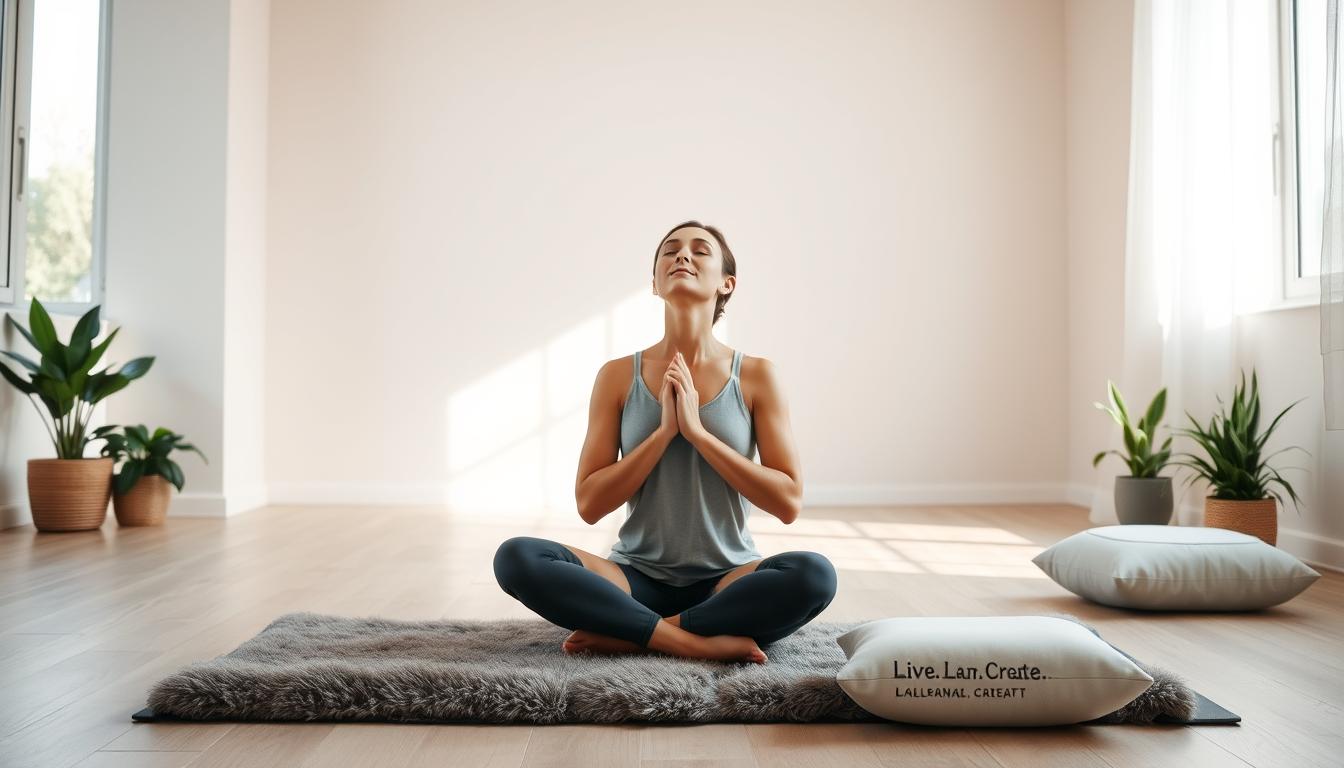


As the holiday season gets closer, many of us feel overwhelmed. Shopping, family gatherings, and work deadlines add to the pressure.
It’s key to manage this time for our mental well-being. In this article, we’ll look at the top mental health tools to help you de-stress before the holidays.
Key Takeaways
- Discover effective mental health tools to manage holiday pressure.
- Learn practices to reduce stress and improve focus.
- Explore relaxation aids and therapy resources.
- Understand the importance of mental health during the holiday season.
- Find tips to boost your mood and overall well-being.
Understanding Holiday Stress and Its Effects
The holiday season is often seen as a time of joy and celebration. But for many, it can also be a time of increased stress. It’s important to understand what causes holiday stress and how it affects our mental health.
Common Causes of Holiday Stress
Several factors contribute to holiday stress. Financial pressure is a big concern, as people feel the need to buy gifts and host gatherings. Social expectations also play a role, as we try to create the perfect holiday for our loved ones. The lack of time and the pressure to meet deadlines can make stress and anxiety worse.
Other common causes include the pressure to keep up with family traditions, dealing with family dynamics, and managing travel plans. Recognizing these stressors helps us develop strategies to manage them.
Psychological Impacts of Stress
Holiday stress can have significant psychological impacts. Decreased motivation is common, as the pressure to perform can lead to burnout. Irritability and mood swings are also common, as stress affects our emotional well-being.
Stress and anxiety during the holidays can also make us feel isolated, even when we’re surrounded by people. By acknowledging these effects, we can take steps to protect our mental health.
Physical Symptoms to Watch For
Holiday stress can also have physical effects. Headaches and insomnia are common, as our body’s stress response is triggered. Digestive problems and other physical symptoms can also occur, making it hard to enjoy the holiday season.
Being aware of these physical symptoms helps us take steps to reduce their impact. This might include practicing relaxation techniques, like deep breathing or meditation, and prioritizing self-care activities.
The Importance of Mental Health During the Holidays
It’s vital to focus on our mental health during the holidays. It helps us enjoy the season with joy and strength. The festive vibe can make us forget about our well-being.
But, taking care of our mental health is key to having a great holiday with family and friends. We need to practice self-care, watch for burnout signs, and use mindfulness.
Prioritizing Self-Care
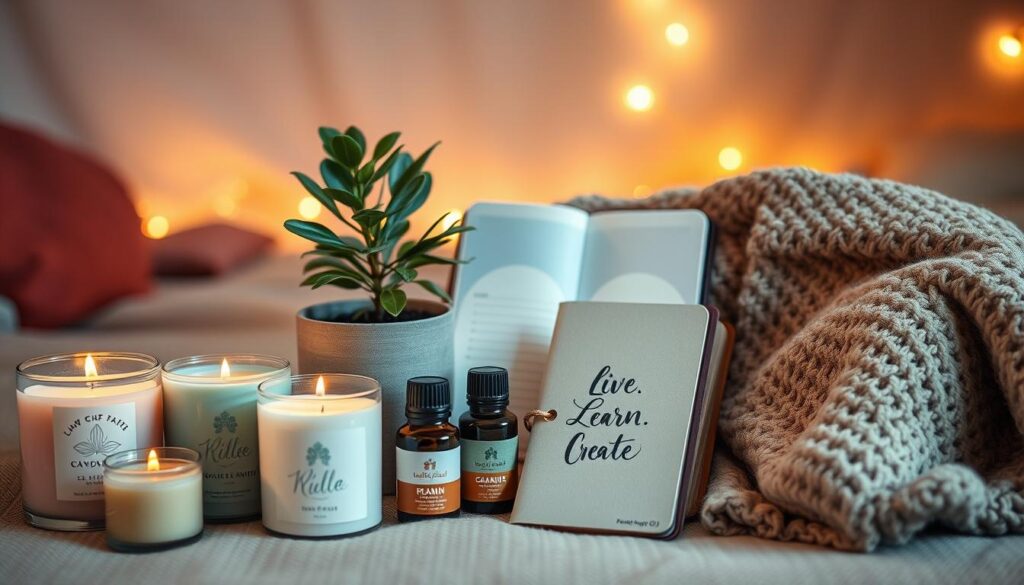
Self-care is essential, not a luxury, during the holidays. Doing things that make us happy and relaxed is good for our mind. Think about getting self-care gifts for stress relief like scented candles or cozy blankets for a peaceful vibe.
Recognizing Burnout Signs
Knowing the signs of burnout is important. These include feeling tired, cynical, and not doing well. Spotting these signs early helps us avoid burnout. We can take breaks, use relaxation techniques for the holidays like meditation, and set realistic goals.
Benefits of Mindfulness Practices
Mindfulness, like meditation and deep breathing, helps lower stress and anxiety. It keeps us focused on the now. Adding these to our daily routine boosts our mental health and resilience.
Let’s look at how mindfulness and self-care compare:
| Practice | Benefits |
|---|---|
| Mindfulness Meditation | Reduces stress, improves focus |
| Deep Breathing Exercises | Calms the mind, reduces anxiety |
| Journaling | Enhances self-reflection, releases emotions |
By focusing on our mental health and using these practices, we can enjoy the holiday season more. Remember to give wellness gifts for mental health like mindfulness journals or aromatherapy kits to support our well-being.
Effective Stress Relief Techniques
The holiday season can be overwhelming. But, there are simple ways to de-stress. Adding stress relief techniques to our daily routine can boost our well-being.
Breathing Exercises for Instant Calm
Breathing exercises are great for managing stress. Diaphragmatic breathing and progressive muscle relaxation can calm us down quickly. They help us focus on our breath, soothing our mind and body.
To do diaphragmatic breathing, sit comfortably. Place one hand on your belly and the other on your chest. Breathe in deeply through your nose, letting your belly rise while your chest stays steady. Then, exhale slowly through your mouth, feeling your belly fall. Do this a few times.
Journaling to Release Emotions
Journaling is a good way to release emotions and think through our thoughts. Writing down our feelings helps us gain clarity. It’s a private space to express ourselves without fear of judgment.
To start journaling, find a quiet spot. Write about your thoughts, feelings, and experiences without worrying about spelling or grammar. Looking back at your journal can help you spot patterns and areas for improvement.
Nature Walks for a Change of Scenery
Going for a walk in nature is a great way to clear your mind. Being outdoors can lower stress, improve our mood, and boost our immune system. It’s a chance to step away from the hustle and reconnect with nature.
For the best nature walk, try to leave your phone behind or keep it on silent. Focus on the sights, sounds, and smells. Feel your feet on the ground and the rhythm of your breath.
| Technique | Benefits | Tips for Practice |
|---|---|---|
| Breathing Exercises | Instant calm, reduced anxiety | Practice regularly, focus on diaphragm |
| Journaling | Emotional release, clarity | Write freely, reflect on entries |
| Nature Walks | Reduced stress, improved mood | Leave phone behind, be mindful |
Exploring Mindfulness and Meditation
Mindfulness and meditation are like a calm oasis in the holiday rush. They help us recharge and refocus. Just a few minutes each day can make a big difference in managing holiday stress.
Introduction to Mindfulness
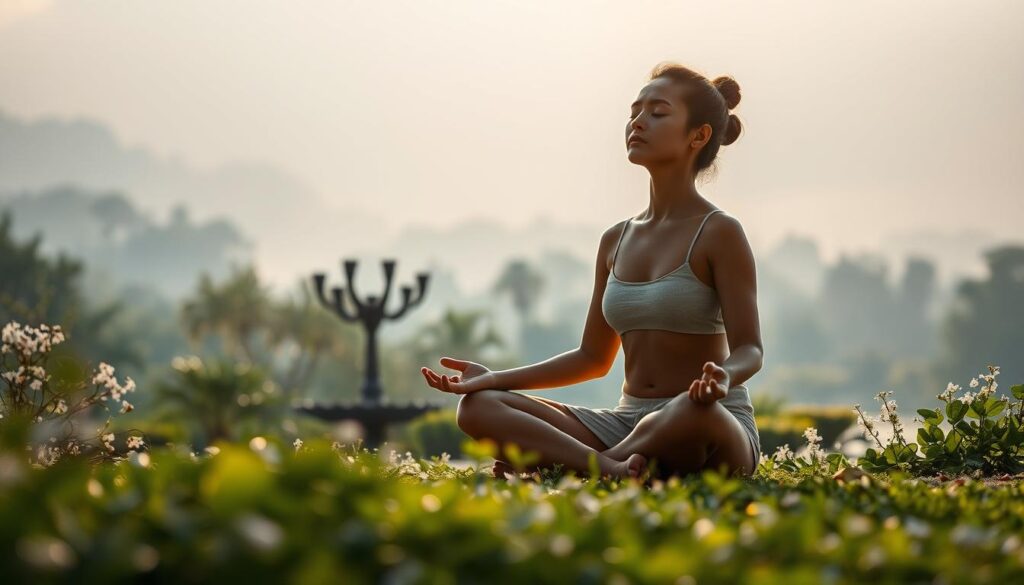
Mindfulness means being fully present and aware of the moment. It’s about noticing our thoughts, feelings, and body without judgment. Regular practice can lower stress, boost mood, and improve well-being.
To start, try simple exercises like focusing on your breath or noticing your body’s sensations. The goal is to be consistent and patient, letting yourself get into the flow.
Guided Meditation Resources
Guided meditation resources are great for beginners. They offer a gentle introduction to meditation, often with soothing stories. You can find them online, in apps, and on YouTube.
Popular resources include videos from experienced teachers and apps with various guided sessions. They cater to different needs and preferences.
Apps for Daily Mindfulness Practice
Apps make it easy to add mindfulness to your daily routine. Headspace and Calm offer guided meditations and exercises to keep you on track.
- Headspace: Known for its personalized meditation sessions and animated explanations of mindfulness concepts.
- Calm: Features a wide range of guided meditations, sleep stories, and relaxing music to help you unwind.
Using these tools and resources can help us stay mindful and resilient during the holidays.
How to Set Realistic Expectations
Managing holiday stress starts with setting realistic goals for what we can do. The idea of a perfect holiday can feel too much. But, by being more realistic, we can lower our stress.
The Power of Saying No
Saying no is a key way to handle holiday stress. We don’t need to go to every party or buy gifts for everyone. By prioritizing our commitments and saying no, we focus on what’s important.
It’s hard to say no, but it’s okay to set limits. We can say no without guilt by explaining or suggesting alternatives. For example, “I’d love to, but I’m too busy this season.”
Budgeting Time and Resources
Managing holiday stress also means budgeting our time and money. We should list our plans and choose the most important ones. This way, we avoid last-minute stress and overspending.
- Plan ahead: Make a calendar of events and appointments.
- Set a budget: Decide how much we can spend on gifts, decorations, and fun.
- Prioritize: Focus on the most important activities and commitments.
Creating a Flexible Holiday Schedule
Dealing with holiday anxiety means being flexible with our plans. Things don’t always go as planned, and being adaptable is key. By building some buffer time into our schedule, we can handle surprises without stress.
A flexible schedule lets us enjoy the holiday season more. It’s about finding a balance between planning and being spontaneous. This way, we avoid overcommitting.
Engaging in Physical Activity
Physical activity is a great way to cut down holiday stress and lift our mood. It’s good for our mental health, helping with depression and anxiety. It also improves sleep and sharpens our minds.
Benefits of Exercise for Mental Health
Exercise is a natural way to ease holiday stress. It releases happy hormones that make us feel better. Adding physical activity to our daily life helps us enjoy the holidays more.
Some benefits of exercise for mental health include:
- Reducing symptoms of depression and anxiety
- Improving sleep quality
- Enhancing cognitive function
- Boosting mood and energy levels
Fun Holiday Activities to Try
The holiday season is perfect for fun physical activities. Try ice skating, sledding, or dancing to get moving and enjoy the fun. These activities are great for exercise and making memories with others.

Finding Local Fitness Classes
Joining local fitness classes or groups can keep us motivated. Look online or ask at gyms and community centers for classes that fit our interests. Working out with others adds a sense of community and helps us stay on track.
| Fitness Class | Benefits | Location |
|---|---|---|
| Yoga | Flexibility, stress relief | Local yoga studio |
| Zumba | Cardio, fun workout | Community center |
| Cycling | Cardio, leg strength | Gym |
Adding physical activity to our holiday plans helps us manage stress and enjoy the season fully.
Utilizing Positive Affirmations
Positive affirmations are a simple yet powerful tool to change our thoughts and outlook during the holidays. They help us deal with stress and anxiety, making the holiday season more enjoyable.
Crafting Personal Affirmations
Making our own affirmations lets us tackle specific issues. To make them effective, use the present tense, positive words, and keep them short. For instance, say “I’m calm and capable,” not “I will not be stressed.”
Integrating Affirmations into Daily Life
Adding affirmations to our daily routine is easy. Repeat them during morning meditation, jot them down in a journal, or share with loved ones. Being consistent helps make affirmations a habit.
Success Stories and Benefits
Many have seen big benefits from positive affirmations. They’ve felt less stressed, happier, and more confident. By using affirmations daily, we can join those who’ve improved their mental health.
| Benefits of Positive Affirmations | Description | Impact |
|---|---|---|
| Reduced Stress and Anxiety | Positive affirmations calm the mind and lessen feelings of overwhelm. | Improved mental well-being |
| Improved Mood | Affirmations help us see things positively, moving away from negative thoughts. | Enhanced overall happiness |
| Increased Self-Esteem | By focusing on positive self-talk, affirmations boost confidence and self-worth. | Better self-perception |
Positive affirmations help us manage holiday stress and build a resilient mindset.
Building a Support Network
As the holiday season comes, we often need a supportive community. Building a support network helps manage holiday stress. It gives us a sense of connection and community, which can feel overwhelming.
Reaching Out to Loved Ones
Connecting with friends and family is key. It offers emotional support, practical help, and a sense of belonging. We can start by scheduling regular check-ins, like weekly phone calls or monthly dinners.
We can also host or attend holiday events, like cookie exchanges or game nights. This helps foster a sense of community.
Sharing our experiences and feelings with others can help us feel heard and understood. This reduces feelings of loneliness and isolation.
Finding Community Support
Local support groups offer a safe space to share and connect. We can search online or check local community centers, churches, or mental health organizations. This helps us find groups that meet our needs.
Joining a support group has many benefits:
- Sharing our experiences and feelings with others who understand
- Receiving emotional support and practical advice
- Building a sense of community and connection
Online Resources for Mental Health
Online resources are also available for mental health support. Online therapy platforms, mental health forums, and social media groups offer a convenient way to connect. They provide a space to share experiences and advice.
Some popular online resources include:
| Resource | Description | Benefits |
|---|---|---|
| Online Therapy Platforms | Access to licensed therapists via video or phone sessions | Convenient, flexible, and affordable |
| Mental Health Forums | Online communities for sharing experiences and advice | Supportive community, emotional support |
| Social Media Groups | Private groups for connecting with others who share similar experiences | Convenient, accessible, and supportive |
By building a support network, we can reduce feelings of loneliness and isolation. This improves our mental health and well-being. We can start by reaching out to loved ones, finding local support groups, and using online resources.
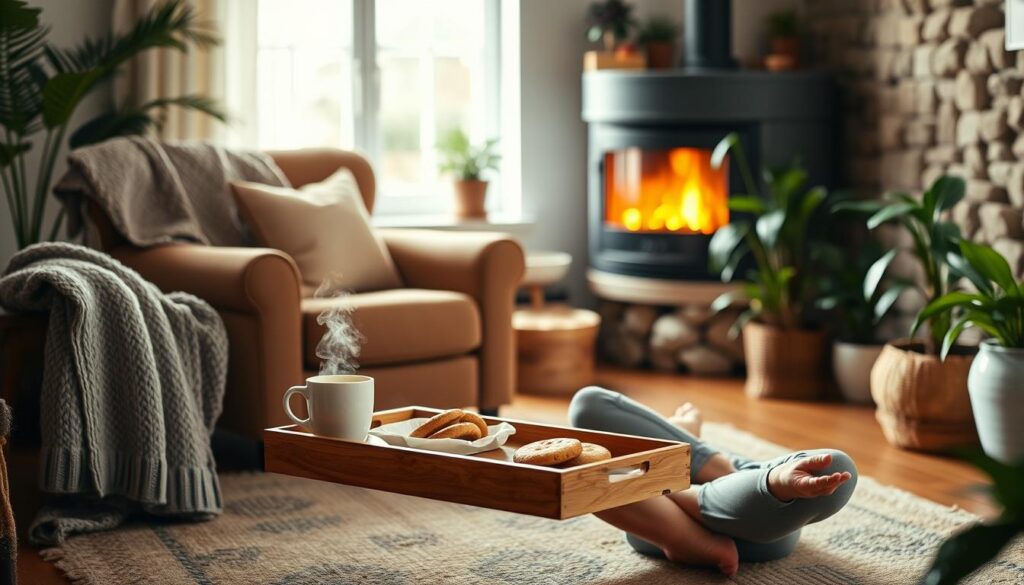
Taking Breaks and Finding ‘Me’ Time
As we dive into the holiday season, it’s key to remember that taking breaks is a must for our mental health. The rush to attend events, buy gifts, and spend time with loved ones can be overwhelming. But forgetting our own needs can lead to burnout and make the holidays less fun.
Scheduling Personal Time
To avoid burnout, we need to make time for ourselves. This can be as simple as setting aside 30 minutes each day for relaxation, reading, or a warm bath. By focusing on our needs, we can recharge and enjoy the holiday season more.
Here are some ways to make time for yourself:
- Use a daily planner to include self-care time
- Set reminders to take breaks during the day
- Tell friends and family about your need for personal time
Creative Hobbies to Explore
Getting into creative hobbies is a great way to find ‘me’ time and lower stress. Activities like painting, drawing, writing, or crafting can be therapeutic. They also let us express ourselves and can make beautiful gifts or decorations for the holidays.
The Importance of Downtime
Downtime is vital for our minds and bodies to rest and recover. It helps us focus better, be more productive, and feel better overall. Whether it’s a nap, listening to music, or just sitting quietly, downtime is key for our mental health during the holidays.
| Activity | Benefits | Tips for Incorporation |
|---|---|---|
| Meditation | Reduces stress and anxiety, improves focus | Start with short sessions (5-10 minutes) and gradually increase duration |
| Journaling | Provides an emotional outlet, enhances self-reflection | Set aside a specific time each day to journal, and be consistent |
| Yoga | Combines physical exercise with mindfulness, reduces stress | Begin with simple poses and gradually move to more complex ones, practice regularly |
By putting our needs first and making time for self-care, we can enjoy the holiday season more. Remember, taking breaks and finding ‘me’ time is not selfish. It’s essential for keeping our mental health and overall well-being in check.
Seeking Professional Help
As we head into the holiday season, it’s key to know when we need extra help. Managing holiday stress is vital for our well-being. Seeking professional help is a big step in keeping our mental health in check.
Recognizing the Need for Therapy
If we’re feeling too stressed, anxious, or depressed, it might be time for therapy. Mental health experts offer a safe space to talk about our feelings. They help us find ways to cope better.
Exploring Therapy Options
There are many therapy types, like cognitive-behavioral and mindfulness-based therapy. These can help us deal with stress and improve our mental health. Online directories, friends, family, and insurance can help find a therapist.
By getting professional help, we can better understand ourselves and our feelings. This helps us de-stress before the holidays and keep stress at bay. Using mental health tools like therapy is a smart move for a healthier holiday season.
FAQ
What are some effective ways to manage holiday stress?
To manage holiday stress, focus on self-care, mindfulness, and physical activity. Try breathing exercises, journaling, and nature walks to reduce stress and anxiety.
How can I prioritize self-care during the holiday season?
Prioritize self-care by scheduling personal time and engaging in hobbies. Take breaks when needed. Self-care gifts like scented candles and cozy blankets can also help.
What are some common causes of holiday stress?
Holiday stress often comes from financial pressure, social expectations, and lack of time. Unrealistic expectations and overcommitting also increase stress.
How can mindfulness and meditation help with holiday stress?
Mindfulness and meditation help us stay present and focused. They reduce stress and anxiety. Use apps like Headspace and Calm for a gentle start.
What are some fun holiday activities that can help reduce stress?
Fun activities like ice skating and dancing can reduce stress. Join local fitness classes or workout groups for community and accountability.
How can I build a support network during the holiday season?
Build a support network by connecting with friends and family. Find local support groups and online mental health resources. Sharing experiences can reduce loneliness.
When should I consider seeking professional help for holiday stress?
Seek professional help if feeling overwhelmed by stress, anxiety, or depression. Cognitive-behavioral therapy and mindfulness-based therapy are available options.
What are some benefits of using positive affirmations during the holiday season?
Positive affirmations can reduce stress and improve mood. Crafting your own affirmations and using them daily can manage holiday stress effectively.
How can I create a flexible holiday schedule to reduce stress?
Create a flexible schedule by prioritizing activities and commitments. Budget your time and resources. Learn to say no to energy-draining commitments.
What are some self-care products that can help with anxiety and stress relief?
Self-care products like scented candles and cozy blankets offer comfort. Mindfulness apps, guided meditation, and journaling also help manage stress and anxiety.