
“You don’t have to be great to start, but you have to start to be great.” – Zig Ziglar. Starting your week right can change everything. Just 15 minutes of planning can greatly improve your time management skills and set you up for success.
Imagine having a clear plan for the week. Knowing what to do and when can keep you focused and motivated. You can find many tools and resources on amazon.com to help with your planning, like planners and apps.
By adding simple yet effective strategies to your weekly planning, you can boost your Productivity & Time Management skills. Let’s see how you can make the most of your 15-minute weekly planning session.
Key Takeaways
- Discover the benefits of dedicating 15 minutes to weekly planning.
- Learn simple strategies to boost your time management skills.
- Explore tools and resources to aid in your planning process.
- Understand how weekly planning can lead to unstoppable momentum.
- Find out how to stay focused and motivated throughout the week.
The Importance of Weekly Planning
To boost your productivity and achieve your goals, weekly planning is key. Spending a few minutes each week on planning can greatly improve your time management. This helps you reach your objectives.
Weekly planning is more than just organizing tasks. It’s about setting a path to success. It helps you focus on what’s most important, manage your time better, and move closer to your goals. As Stephen Covey said, “The key is not to prioritize what’s on your schedule, but to schedule your priorities.”
“The key is not to prioritize what’s on your schedule, but to schedule your priorities.” – Stephen Covey
Boosting Productivity with a Plan
A clear plan can greatly boost your productivity. Knowing what needs to be done and when helps you avoid unnecessary tasks. This keeps you focused on what matters most. Here are a few ways a weekly plan can improve your productivity:
- Prioritizing tasks based on their importance and urgency
- Managing your time more effectively by allocating specific time slots for tasks
- Reducing stress by having a clear overview of your tasks and deadlines
Understanding Time Management
Effective time management is central to successful weekly planning. It’s about wisely allocating your time, avoiding delays, and minimizing distractions. Mastering time management lets you do more in less time, boosting productivity and work-life balance.
To better manage your time, try these strategies:
- Set clear goals and priorities for the week
- Use a calendar or planner to schedule your tasks and appointments
- Avoid multitasking and focus on one task at a time
By using these strategies and sticking to a weekly planning routine, you can greatly improve your productivity. This helps you achieve your goals more efficiently.
Setting Aside Time to Plan
To make a productive weekly plan, you need more than just good intentions. You must set aside time and a dedicated space. To improve time management, plan your week with purpose and care.
Choosing the Right Day
Choosing the right day to plan is key. Some like to plan on Monday morning, while others prefer Friday afternoon or Sunday evening. Find a time when you’re most alert and focused.
Try different days and times to see what fits your schedule and how you work best.

Creating a Focused Environment
After picking the right day, create a focused environment. Look for a quiet, comfortable spot where you can focus without distractions. Minimize distractions by turning off notifications or using tools to stay on track.
Your planning space should be organized and have all the tools you need. This could be a digital planner, a notebook, or apps on your device. Having everything ready will make planning easier and faster.
Essential Tools for Weekly Planning
Effective weekly planning starts with the right tools. It’s important to know your options to boost productivity. With many tools out there, finding the right one for you is key.
Let’s look at the different tools for planning your week. Some prefer traditional methods, while others like digital solutions.
Digital vs. Paper Planners
The debate between digital and paper planners is ongoing. Digital planners offer flexibility and accessibility, syncing plans across devices. On the other hand, paper planners provide a tactile experience, helping you disconnect from screens.
Some find paper planners better for retaining information. Others prefer digital planners for convenience. You might consider using both for the best results.
Apps That Can Help
There are many apps for weekly planning. From time tracking software to task management apps, these tools help you stay organized and focused.
Some popular productivity tools include:
- Trello: A visual project management tool that uses boards, lists, and cards.
- RescueTime: A time management app that tracks how you spend your time on your computer or mobile device.
- Todoist: A task management app that lets you create and manage your to-do lists.
- Evernote: A note-taking app that allows you to capture, organize, and store information.
These tools are available on various platforms, including Amazon. There, you can read reviews and compare features to find the best fit for your needs.
Identifying Your Priorities
Knowing what’s important is key to a productive week. It helps you focus on what really matters. This way, you can use your time and resources wisely, always moving closer to your goals.
Long-term vs. Short-term Goals
It’s vital to separate your long-term and short-term goals when planning your week. Long-term goals are big objectives you aim for over time, like career growth or personal development. Short-term goals are the tasks you do now to reach those big goals.
To balance both, remember these tips:
- See how your short-term tasks help your long-term goals.
- Focus on tasks that greatly impact your long-term goals.
- Break down big goals into smaller tasks to keep moving forward.
The Eisenhower Matrix
The Eisenhower Matrix is a great tool for sorting tasks by urgency and importance. It helps you decide what to do first by dividing tasks into four areas:
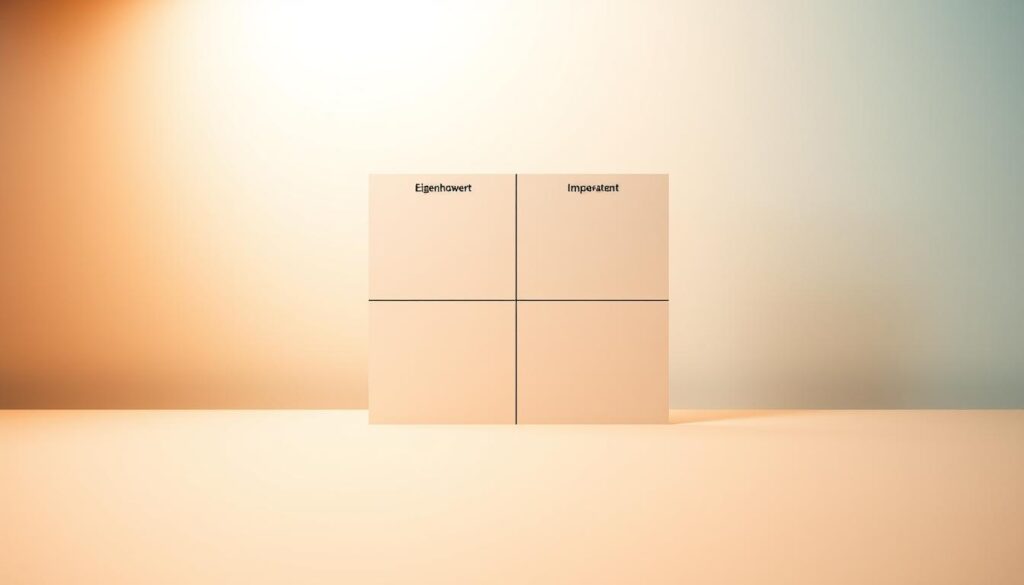
- Urgent and Important (Do First): Tasks that need to be done quickly and are very important should be your top priority. They usually have deadlines and big consequences if missed.
- Not Urgent but Important (Schedule): Tasks that are important but not urgent should be planned for. They help with your long-term goals and should be done regularly.
- Urgent but Not Important (Delegate): Tasks that are urgent but not important can be given to others if you can. They can be distractions.
- Not Urgent and Not Important (Eliminate): Tasks that are neither urgent nor important should be cut down or eliminated. They often waste time.
Using the Eisenhower Matrix helps you decide how to spend your time better. This way, you focus on tasks that really count.
By learning to identify your priorities and using tools like the Eisenhower Matrix, you’ll manage your time better. You’ll reach your goals and keep a good balance between work and life.
Mapping Out Your Week
To boost productivity, effective time management is key. It starts with mapping out your week. This means more than just listing tasks. It’s about creating a visual schedule that guides you through your week.
This helps you stay on track and achieve your goals.
Time Blocking Explained
Time blocking is a powerful technique. It involves allocating fixed, uninterrupted blocks of time for tasks. By doing so, you can boost your productivity and ensure you’re making progress on your priorities.
Here’s how to implement time blocking:
- Identify your top tasks for the week
- Allocate specific time slots for each task
- Schedule breaks and self-care activities
- Leave some buffer time for unexpected events
As Cal Newport, author of “Deep Work,” suggests, “By focusing on one task at a time, you can achieve a state of flow. This leads to higher productivity and better work quality.”
| Time Block | Task | Duration |
|---|---|---|
| 8:00 AM – 9:00 AM | Morning Routine | 1 hour |
| 9:00 AM – 12:00 PM | Project Work | 3 hours |
| 12:00 PM – 1:00 PM | Lunch Break | 1 hour |
Visualizing Your Schedule
Visualizing your schedule is key for effective time management. Having a clear picture of your week helps you avoid overcommitting. It also lets you make adjustments as needed.
Here are some tips for visualizing your schedule:
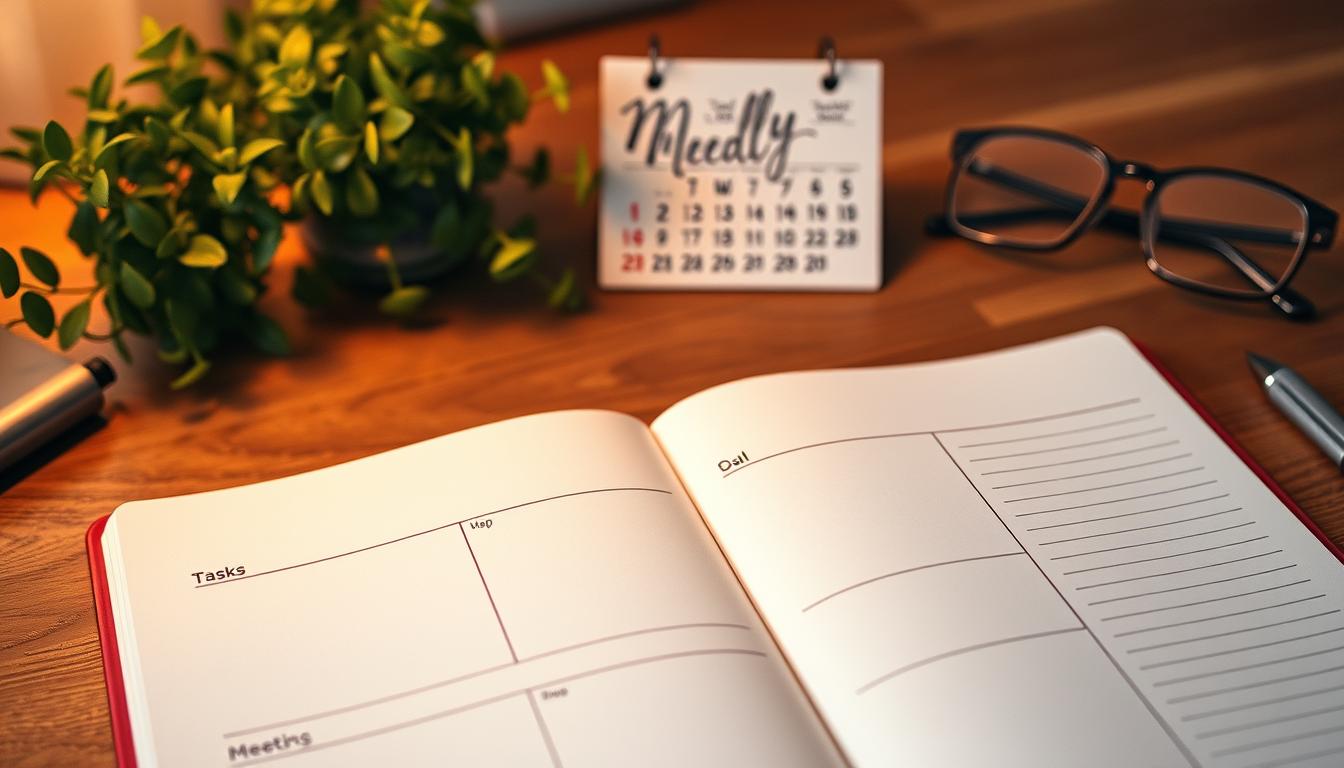
- Use a planner or calendar to map out your week
- Color-code different tasks and activities
- Include time blocks for breaks and self-care
- Review and adjust your schedule regularly
As you map out your week, remember that flexibility is key. Be prepared to adjust your schedule as needed. Don’t be too hard on yourself if things don’t go as planned.
By combining time blocking with a visualized schedule, you’ll be well on your way to achieving your goals and boosting your productivity.
“The key is not to prioritize what’s on your schedule, but to schedule your priorities.” – Stephen Covey
Staying Flexible and Adaptable
Life is full of surprises, and being flexible is key to reaching your goals. When planning your week, make sure to include flexibility. This way, you can handle unexpected events and changes in what’s important to you.
Unexpected events can throw off your plans. These might include sudden work tasks or personal emergencies. To handle these, you need to be flexible and have a plan ready.
Dealing with Unexpected Events
When something unexpected happens, figure out how urgent and important it is. Decide if it needs your immediate attention or if it can wait. This helps you decide if you need to change your plans or fit it into your schedule.
For example, if a critical work project comes up with a tight deadline, you might need to adjust your schedule. Effective time management techniques mean prioritizing tasks based on how urgent and important they are.
| Task | Urgency | Importance | Action |
|---|---|---|---|
| Project Report | High | High | Immediate Attention |
| Grocery Shopping | Low | Medium | Schedule for Later |
| Family Emergency | High | High | Immediate Attention |
Reassessing Your Priorities
Unexpected events can change what’s most important to you. It’s important to reassess your priorities regularly. This means checking if new tasks or events fit with your goals and making changes if needed.
To manage your time better, be flexible and adjust your schedule as needed. This might mean moving less important tasks or asking for help when you can.

By being flexible and adaptable, you can manage your time well and reach your goals, even with unexpected events. Remember, the secret to good time management is being ready to change your plans when needed.
Building Momentum with Daily Tasks
To keep momentum all week, break big tasks into smaller daily steps. This makes it easier to follow your weekly goals. It’s like having a clear map to success.
Breaking Tasks Down
Big tasks can feel too much. But, breaking them into smaller steps makes them easier. You identify the main parts and plan out how to finish each one.
For example, writing a report can be broken down. You might spend a day researching, another outlining, and so on. This way, you make steady progress without feeling stuck.
The Power of Routine
Having a daily routine is key to keeping momentum. It keeps you focused and moving towards your goals every day. It’s about building habits that help you reach your goals.
To make the most of routine, use productivity tools and time tracking software. These tools help you stay organized and manage your time better. They keep your workflow smooth.
| Tool Type | Function | Benefits |
|---|---|---|
| Productivity Tools | Task management, organization | Enhanced focus, reduced stress |
| Time Tracking Software | Monitoring time spent on tasks | Improved time management, increased efficiency |
By breaking tasks into smaller steps and following a daily routine, you can make steady progress. The right tools help you stay on track and reach your goals.
Reviewing Your Week
Reflecting on your week can really boost your productivity and keep you on track. By looking at what you’ve done well and what’s been tough, you learn a lot about managing your time.
Reflecting on Successes
Start by celebrating your wins, no matter how small. Recognizing your achievements can motivate you to keep aiming high. Think about these points:
- What tasks did you finish early?
- Which goals did you hit, and what helped you succeed?
- How did your planning help you reach your goals?
Thinking about these questions can show you what’s working for you. It helps you build on your strengths.

Adjusting for Improvement
Every week has its ups and downs, and there’s always room to grow. Look at where you struggled or didn’t meet your goals. Ask yourself:
- What got in your way, and how can you avoid it next time?
- Which tasks or projects need more time or resources? How can you adjust your schedule?
- What changes can you make to your time management to do better?
By honestly looking at your challenges and making changes, you can get better results in the future.
Regularly checking in on your week is a key habit. It helps you stay focused, boost your productivity, and move closer to your goals. By celebrating your wins and making improvements, you’re ready to face new challenges.
Maintaining Long-term Progress
Planning your week in 15 minutes makes time management easy. To keep moving forward, focus on your long-term goals. Make sure your weekly plans match your monthly and quarterly goals.
Aligning Your Goals
Setting goals for the month and quarter helps you stay on track. It guides you to focus on what’s most important. This way, you can use your time and resources wisely.
With a clear plan, you can make steady progress. Celebrate your wins to keep yourself motivated.
Celebrating Milestones
Celebrating your achievements is key to staying motivated. It boosts your confidence in managing your time well. As you grow, you’ll find that managing your time and productivity are essential for your success.
FAQ
How can I effectively plan my week in just 15 minutes?
To plan your week in 15 minutes, start by identifying your top priorities. Use a simple planning template to organize your tasks. Allocate specific time slots for each task. This way, you can manage your time well and make the most of your weekly planning.
What are the best tools for weekly planning?
The best tools for weekly planning include digital planners like Todoist, Trello, or Google Calendar. Paper planners are also great if you prefer them. Time tracking software like Harvest or Toggl helps you see how you spend your time and boosts productivity.
How do I prioritize tasks for the week?
To prioritize tasks, use the Eisenhower Matrix. It helps you sort tasks by urgency and importance. Start with the most critical tasks first. Then, move on to less urgent ones. This strategy helps you manage your time effectively.
What is time blocking, and how can it help?
Time blocking means setting fixed, uninterrupted time for tasks. It keeps you focused and avoids multitasking. This technique improves your time management and boosts productivity.
How can I stay flexible with my weekly plan?
To stay flexible, regularly review and adjust your plan as needed. Be ready to change your priorities when unexpected events happen. Use good time management to adapt to changes.
How do I review my week effectively?
To review your week, think about what went well and what didn’t. Use this insight to improve your planning for the next week. Adjust your approach to boost your productivity.
Can I use weekly planning for long-term goals?
Yes, weekly planning can help you achieve long-term goals. Break down big goals into smaller tasks. Include these tasks in your weekly plan. This way, you can make steady progress and reach your goals.
What are some productivity tools that can aid in weekly planning?
Productivity tools like task management apps (Asana or Wunderlist), digital calendars, and time tracking software can help. Try different tools to find what works best for you and boosts your productivity.
Transform your home into a more peaceful and mindful sanctuary. Creating a Zen-inspired home environment is a core part of the “Live.Learn.Create” theme, focusing on peace, mindfulness, and a clutter-free space. Here is a curated list of Zen home items.
The Zen Essentials
These items are the building blocks of a calm, intentional living space.
- Candles & Scents:
- Scented Candles: Look for calming, natural scents like sandalwood, lavender, white tea, or bergamot. Choose candles made with soy or beeswax for a clean burn.
- Essential Oil Diffusers: A minimalist, sleek diffuser made of bamboo, ceramic, or glass.
- Essential Oil Sets: Look for blends specifically for relaxation, focus, or sleep.
- Incense & Burners: Natural incense sticks (e.g., palo santo, sage) with a simple, elegant burner.
The Zen Decor
This is about incorporating natural elements and simple design.
- Natural Materials:
- Wood or Bamboo Trays: For organizing candles, stones, or other small items.
- Ceramic Vases: Simple, unglazed ceramic vases in neutral colors like white, beige, or gray.
- Minimalist Art: Simple line drawings, abstract prints, or nature-inspired artwork.
- Hand-Carved Stone Coasters: Or other small stone sculptures.
- Textiles:
- Linen or Cotton Throws: A soft, neutral-colored throw blanket to add warmth.
- Jute or Sisal Rugs: These add natural texture and grounding to a space.
- Meditation Cushions (Zafu) & Mats (Zabuton): These provide comfort for meditation and add a serene touch to a room.
The Zen Ambiance
These items help create a peaceful sensory experience.
- Lighting:
- Himalayan Salt Lamps: These provide a warm, soft glow.
- Japanese-style Paper Lanterns: For a soft, diffused light source.
- Dimmable Smart Bulbs: To easily control the warmth and brightness of your lighting.
- Sound:
- Tabletop Water Fountains: The gentle sound of running water is incredibly calming.
- Wind Chimes: Made from natural materials like bamboo or metal for a soft sound.
- Bluetooth Speakers: Small, aesthetically pleasing speakers for playing ambient or meditation music.
- Nature:
- Bonsai Trees or Air Plants: Low-maintenance indoor plants that bring life and a touch of nature indoors.
- Zen Gardens: A small, tabletop sand garden with a rake and stones for a meditative ritual.
- Decorative Rocks & Pebbles: For bowls or as a decorative element.
Best Sellers https://amzn.to/3Vet1tI
New Releases https://amzn.to/4mwLjTi
Amazon Movers & Shakers https://amzn.to/4fPsZlP
Mindfulness Coloring Books https://amzn.to/4fQ0wMx
Personal Growth Coloring Books https://amzn.to/4lJeRf0
Health & Wellness https://amzn.to/4oRt24C
Zen Home Decor https://amzn.to/3VeA3i6
Zen Garden Decor https://amzn.to/4mXjT8D
Zen Garden https://amzn.to/3HQTVVB
- Mindfulness & Meditation:
- Physical Wellness:
- Habit & Productivity Tools:
- Books:
- Best-selling personal development books (Mindset, The 7 Habits of Highly Effective People, The Subtle Art of Not Giving a F*ck)
- Books on a variety of skills (coding, photography, writing.)
- Educational Gadgets:
- Smart pens that digitize notes (e.g., Rocketbook)
- Portable scanners for digitizing documents
- Laptops, tablets, and accessories
Create (Creativity, Innovation, Projects)
These products cater to your creative side, whether you are a artists, writer, or DIY enthusiasts.
- Creative Supplies:
- Adult coloring books or “paint-by-sticker” books
- Craft kits (e.g., candle-making, pottery, embroidery)
- Digital Creation Tools:
- General Inspiration & Making: