

In our fast-paced world, mental health challenges have become increasingly common. The constant pressure to stay connected, productive, and “on” can leave us feeling drained and overwhelmed. But what if the antidote to modern stress isn’t another self-help app or quick fix, but something simpler and more fundamental?
Hobbies aren’t just ways to pass the time—they’re powerful tools for mental wellbeing. Research shows that engaging in meaningful activities can reduce anxiety, alleviate depression symptoms, and create moments of mindfulness in our otherwise chaotic lives. Whether you’re looking to manage existing mental health concerns or simply want to enhance your overall wellbeing, the right hobby can make a significant difference.
In this guide, we’ll explore ten hobbies for mental health that range from completely free to investment-worthy pursuits. Each offers unique benefits for your mind and spirit, helping you create a more balanced, fulfilling life.
Mindful & Creative Hobbies for Mental Health
Creative activities engage different parts of your brain, allowing you to express emotions that might be difficult to put into words. These hobbies can create a state of “flow” where you become fully immersed in what you’re doing, temporarily setting aside worries and anxieties.
1. Journaling: Write Your Way to Clarity
Journaling creates a private space where you can process difficult emotions, celebrate small victories, and gain perspective on life’s challenges. Research published in the Journal of Experimental Psychology found that expressive writing for just 15 minutes a day can significantly reduce anxiety and depression symptoms.
The beauty of journaling is that there are no rules. You can write stream-of-consciousness thoughts, create structured gratitude lists, or use prompts to explore specific aspects of your life. The simple act of transferring thoughts from your mind to paper can make them feel more manageable.
2. Gardening: Grow Your Peace of Mind
There’s something profoundly therapeutic about nurturing plants and watching them thrive. Gardening connects you to natural cycles, teaches patience, and provides tangible results for your efforts. A study from the Journal of Health Psychology found that gardening can lower cortisol levels (the stress hormone) and improve mood.
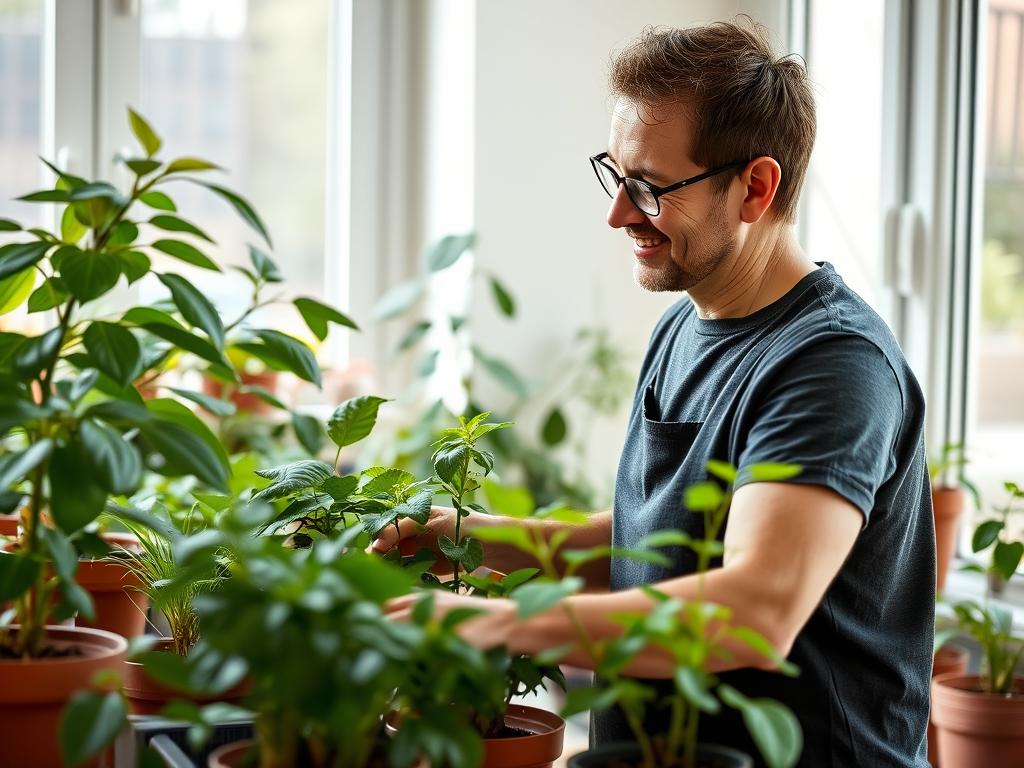
Even if you don’t have outdoor space, indoor plants or a small herb garden on your windowsill can provide similar benefits. The act of caring for another living thing creates purpose and routine, while the sensory experience of touching soil and smelling plants can be grounding during anxious moments.
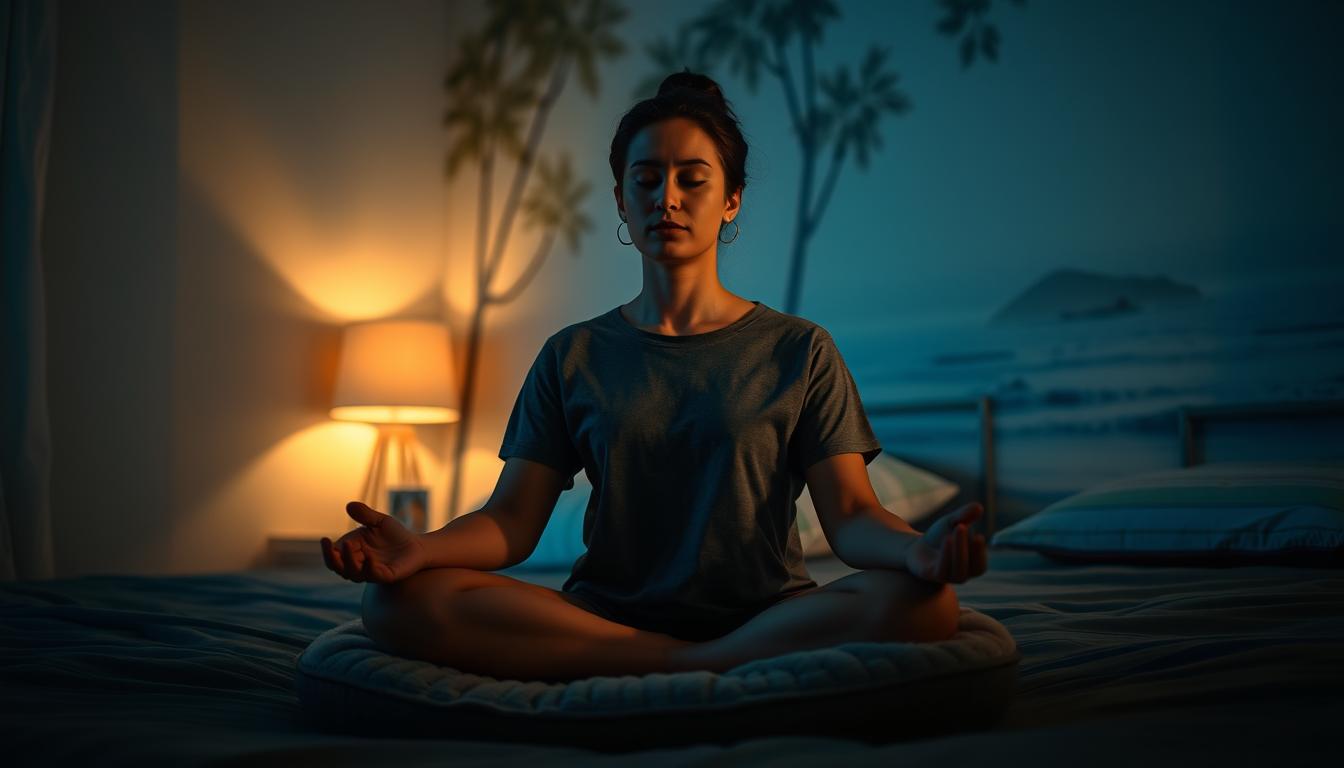
3. Meditation: Train Your Mind for Calm
Meditation isn’t just a trendy wellness practice—it’s backed by substantial scientific research showing its effectiveness for reducing anxiety, improving focus, and developing emotional resilience. Even five minutes of daily meditation can begin to reshape how your brain responds to stress.
Many people avoid meditation because they believe their mind is “too busy,” but that’s exactly why it’s beneficial. Meditation isn’t about stopping thoughts but rather observing them without judgment. Over time, this practice helps create space between you and your thoughts, making it easier to respond thoughtfully rather than react emotionally.
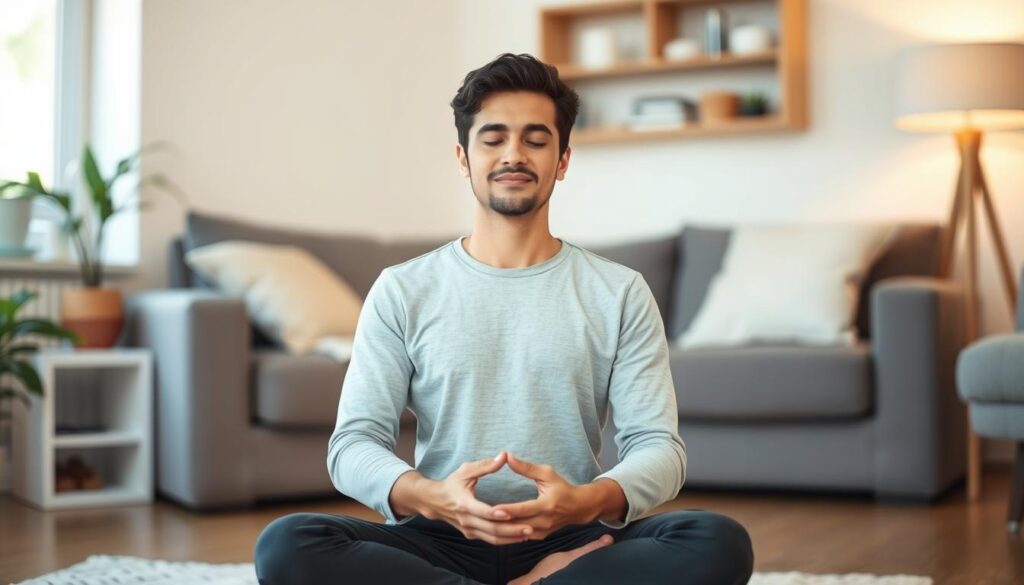
While meditation requires no equipment, guided sessions can help beginners establish a consistent practice. Consider these options:
- Free apps like Insight Timer offer thousands of guided meditations
- Premium subscriptions to Headspace or Calm provide structured programs
- Meditation cushions can make longer sessions more comfortable
Physical Hobbies That Boost Mental Health
Movement isn’t just good for your body—it’s essential for your mind. Physical activities release endorphins, reduce muscle tension, and provide a healthy outlet for stress and anxiety. The mind-body connection is powerful, and these hobbies leverage that relationship for better mental health.
4. Yoga: Connect Body and Mind
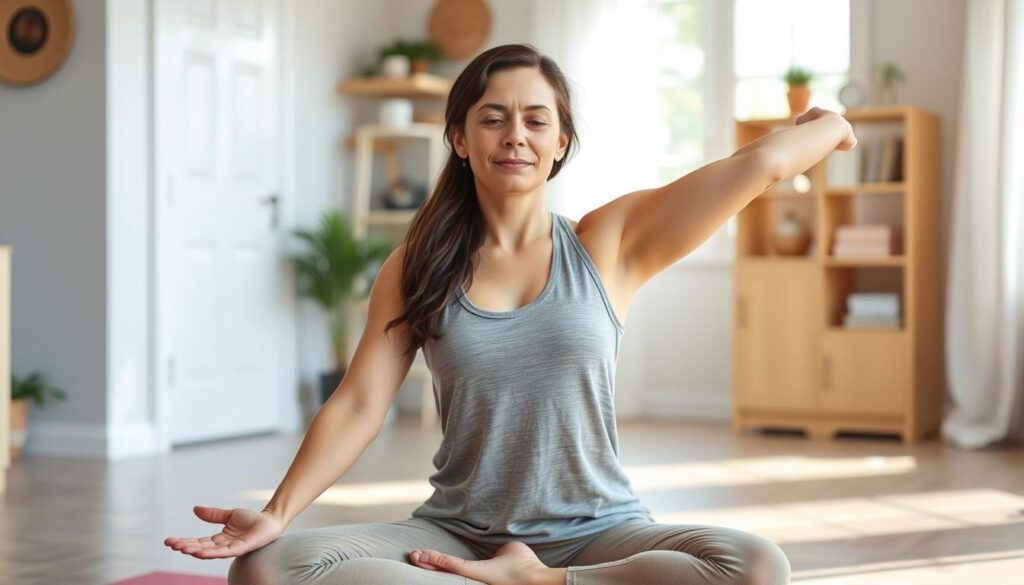
Yoga combines physical postures, breathwork, and mindfulness to create a comprehensive practice for mental wellbeing. Unlike high-intensity workouts that focus solely on physical exertion, yoga encourages awareness of the connection between physical sensations and emotional states.
Research published in the Journal of Alternative and Complementary Medicine found that yoga can increase GABA levels in the brain—a neurotransmitter that helps regulate anxiety. The combination of gentle movement and focused breathing creates a moving meditation that can be particularly helpful for people who struggle with traditional seated meditation.
5. Hiking: Find Perspective in Nature
Spending time in natural environments has been shown to reduce rumination (repetitive negative thinking) and restore attention. Hiking combines these benefits with physical exercise, creating a powerful antidote to the mental fatigue of modern life.
You don’t need to climb a mountain to experience the benefits—even a short walk in a local park can improve your mood and energy levels. The combination of natural scenery, physical movement, and distance from daily stressors creates space for mental clarity and perspective.

While hiking can be as simple as walking in nature, a few key items can enhance your experience and safety:
- Supportive footwear prevents injury and increases comfort
- A water bottle keeps you hydrated on longer treks
- A small backpack carries essentials without weighing you down
Expressive Hobbies for Emotional Release
Sometimes, the most healing activities are those that allow us to express what words cannot. Creative expression provides an outlet for processing complex emotions and experiences in a tangible, visible form.
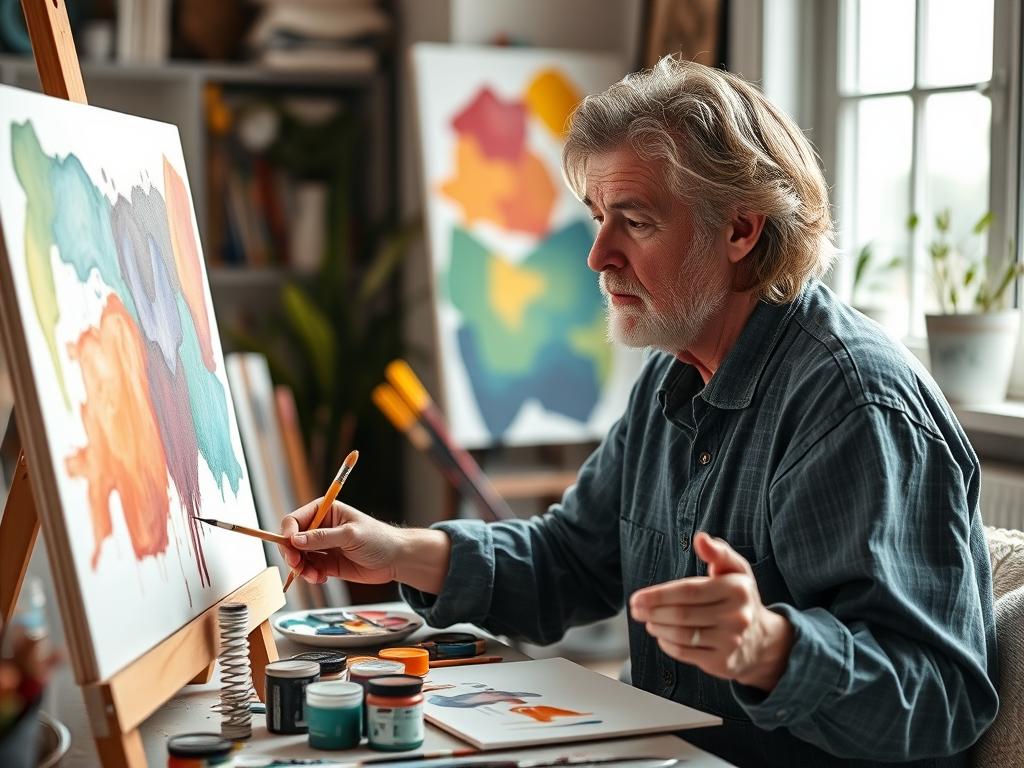
6. Painting and Drawing: Create Without Judgment
Visual arts like painting and drawing allow for emotional expression without the limitations of language. You don’t need to be a skilled artist to benefit—the process itself is what matters, not the final product.
Art therapy research shows that creative expression can help process trauma, reduce anxiety, and increase self-awareness. The act of choosing colors, making marks, and creating something from nothing engages parts of the brain that verbal processing cannot reach.
7. Music: Find Your Rhythm
Whether you’re playing an instrument, singing, or simply listening attentively, music has profound effects on brain chemistry and emotional regulation. Studies show that music can reduce cortisol levels, increase dopamine production, and even alleviate symptoms of depression.
Learning to play an instrument provides additional cognitive benefits, as it engages multiple brain regions simultaneously. Even if you’ve never played before, simple instruments like the ukulele or kalimba can be learned at any age and provide a sense of accomplishment as you master new skills.

If you’re interested in learning an instrument, consider these beginner-friendly options:
- Ukulele: Small, affordable, and relatively easy to learn
- Kalimba: Produces beautiful sounds even for beginners
- Digital keyboard: Allows for headphone practice and guided learning
- Every Instrument Explained
Mindful Hobbies for Present-Moment Awareness
Many mental health challenges stem from dwelling on the past or worrying about the future. Mindful hobbies anchor you in the present moment, training your attention to focus on what’s happening right now rather than getting caught in unhelpful thought patterns.

8. Cooking: Nourish Body and Soul
Cooking engages all your senses—the sound of a sizzling pan, the smell of herbs, the vibrant colors of fresh ingredients. This sensory richness naturally brings you into the present moment, creating a form of moving meditation as you chop, stir, and taste.
Beyond the mindfulness benefits, cooking gives you control over your nutrition, which directly impacts mental health. Foods rich in omega-3 fatty acids, antioxidants, and complex carbohydrates can support brain health and mood regulation.
9. Knitting and Crochet: Meditative Crafting
The repetitive nature of knitting and crochet creates a meditative state similar to mindfulness practices. The rhythmic movement of your hands occupies the part of your brain that might otherwise engage in rumination, allowing you to achieve a state of focused calm.
Research published in the British Journal of Occupational Therapy found that knitting is associated with feelings of calm and happiness. The tangible progress you can see and feel provides a sense of accomplishment, while the portable nature of these crafts means you can practice almost anywhere.
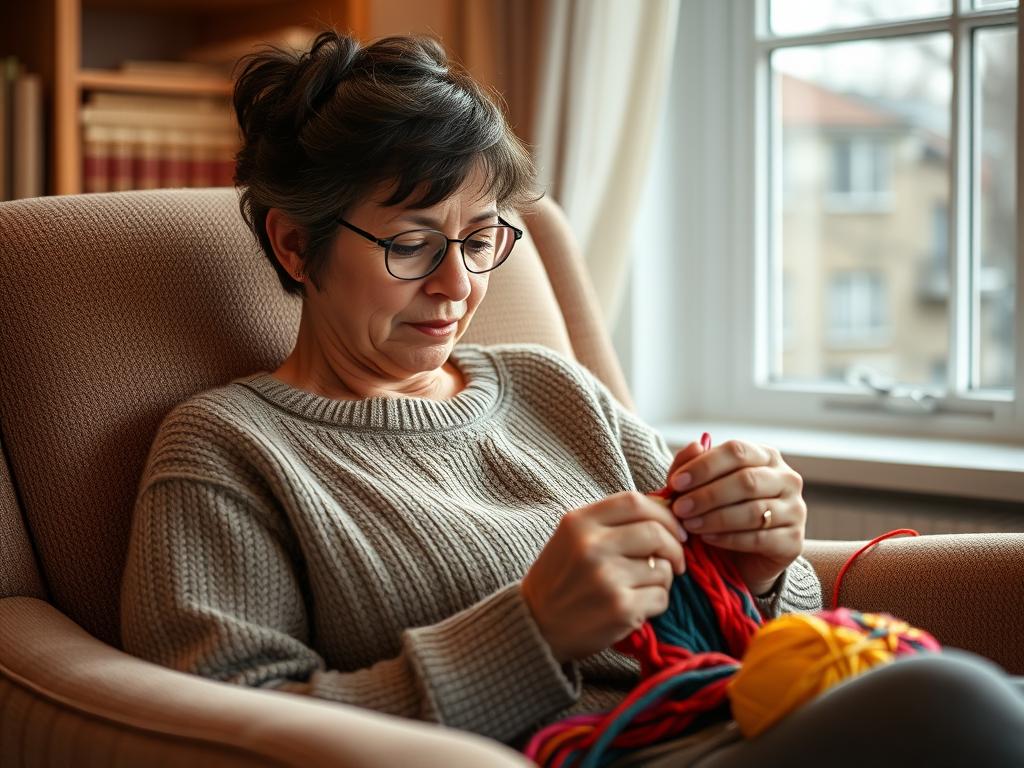
Starting with quality materials makes learning easier and more enjoyable. Consider these beginner-friendly options:
- Beginner knitting kits with chunky yarn show progress quickly
- Online tutorials provide step-by-step guidance
- Ergonomic hooks and needles prevent hand fatigue
10. Learning a New Language: Rewire Your Brain
Learning a new language challenges your brain in unique ways, creating new neural pathways and potentially delaying cognitive decline. The focus required to master new vocabulary and grammar patterns naturally pulls you into the present moment.
Language learning also opens doors to new cultures and perspectives, broadening your worldview and creating opportunities for meaningful connection. The sense of accomplishment as you progress from basic phrases to conversations provides ongoing motivation and confidence.

How to Get Started with Hobbies for Mental Health
With so many options, choosing the right hobby for your mental health needs can feel overwhelming. Here are some practical tips to help you begin:

Start Small and Be Consistent
Begin with just 10-15 minutes a day dedicated to your chosen hobby. Consistency matters more than duration, especially when you’re building a new habit. Set realistic expectations and celebrate small victories along the way.
Follow Your Curiosity
Choose activities that genuinely interest you, not what you think you “should” do. Your hobby should feel like a gift to yourself, not another obligation. Pay attention to what naturally draws your attention and gives you a sense of enjoyment.
Embrace Imperfection
Remember that the mental health benefits come from the process, not the end result. Give yourself permission to be a beginner and make mistakes. Learning and growth happen in the space of imperfection.
Connect with Others
While many hobbies can be practiced alone, sharing your interest with others can enhance the benefits. Look for local groups, online communities, or even just one friend who shares your interest to create accountability and connection.
Finding Your Path to Better Mental Health Through Hobbies
Hobbies aren’t just pleasant diversions—they’re powerful tools for managing stress, processing emotions, and creating moments of joy in everyday life. Whether you choose to express yourself through art, find peace in movement, or engage your mind with learning, the right hobby can become an essential part of your mental health toolkit.
Remember that there’s no single “best” hobby for mental health. What matters is finding activities that resonate with you personally and making them a regular part of your life. Start with one that calls to you, give yourself permission to experiment, and notice how it affects your mood and overall wellbeing.
Your journey to better mental health doesn’t have to be complicated or expensive. Sometimes, the simplest activities—like putting pen to paper or digging in the garden soil—can create profound shifts in how you feel and how you relate to the world around you.
Transform your home into a more peaceful and mindful sanctuary. Creating a Zen-inspired home environment is a core part of the “Live.Learn.Create” theme, focusing on peace, mindfulness, and a clutter-free space. Here is a curated list of Zen home items.
The Zen Essentials
These items are the building blocks of a calm, intentional living space.
- Candles & Scents:
- Scented Candles: Look for calming, natural scents like sandalwood, lavender, white tea, or bergamot. Choose candles made with soy or beeswax for a clean burn.
- Essential Oil Diffusers: A minimalist, sleek diffuser made of bamboo, ceramic, or glass.
- Essential Oil Sets: Look for blends specifically for relaxation, focus, or sleep.
- Incense & Burners: Natural incense sticks (e.g., palo santo, sage) with a simple, elegant burner.
The Zen Decor
This is about incorporating natural elements and simple design.
- Natural Materials:
- Wood or Bamboo Trays: For organizing candles, stones, or other small items.
- Ceramic Vases: Simple, unglazed ceramic vases in neutral colors like white, beige, or gray.
- Minimalist Art: Simple line drawings, abstract prints, or nature-inspired artwork.
- Hand-Carved Stone Coasters: Or other small stone sculptures.
- Textiles:
- Linen or Cotton Throws: A soft, neutral-colored throw blanket to add warmth.
- Jute or Sisal Rugs: These add natural texture and grounding to a space.
- Meditation Cushions (Zafu) & Mats (Zabuton): These provide comfort for meditation and add a serene touch to a room.
The Zen Ambiance
These items help create a peaceful sensory experience.
- Lighting:
- Himalayan Salt Lamps: These provide a warm, soft glow.
- Japanese-style Paper Lanterns: For a soft, diffused light source.
- Dimmable Smart Bulbs: To easily control the warmth and brightness of your lighting.
- Sound:
- Tabletop Water Fountains: The gentle sound of running water is incredibly calming.
- Wind Chimes: Made from natural materials like bamboo or metal for a soft sound.
- Bluetooth Speakers: Small, aesthetically pleasing speakers for playing ambient or meditation music.
- Nature:
- Bonsai Trees or Air Plants: Low-maintenance indoor plants that bring life and a touch of nature indoors.
- Zen Gardens: A small, tabletop sand garden with a rake and stones for a meditative ritual.
- Decorative Rocks & Pebbles: For bowls or as a decorative element.
Best Sellers https://amzn.to/3Vet1tI
New Releases https://amzn.to/4mwLjTi
Amazon Movers & Shakers https://amzn.to/4fPsZlP
Mindfulness Coloring Books https://amzn.to/4fQ0wMx
Personal Growth Coloring Books https://amzn.to/4lJeRf0
Health & Wellness https://amzn.to/4oRt24C
Zen Home Decor https://amzn.to/3VeA3i6
Zen Garden Decor https://amzn.to/4mXjT8D
Zen Garden https://amzn.to/3HQTVVB
- Mindfulness & Meditation:
- Physical Wellness:
- Habit & Productivity Tools:
- Books:
- Best-selling personal development books (Mindset, The 7 Habits of Highly Effective People, The Subtle Art of Not Giving a F*ck)
- Books on a variety of skills (coding, photography, writing.)
- Educational Gadgets:
- Smart pens that digitize notes (e.g., Rocketbook)
- Portable scanners for digitizing documents
- Laptops, tablets, and accessories
Create (Creativity, Innovation, Projects)
These products cater to your creative side, whether you are a artists, writer, or DIY enthusiasts.
- Creative Supplies:
- Adult coloring books or “paint-by-sticker” books
- Craft kits (e.g., candle-making, pottery, embroidery)
- Digital Creation Tools:
- General Inspiration & Making: