
Have you ever felt stuck—like your emotions were too heavy to carry alone? What if the key to healing wasn’t just in therapy or medication, but in the simple act of creating? Science and art collide in powerful ways, revealing that self-expression can mend the mind and body.
Maria Popova calls it a “combinatorial force”—the ability to weave new ideas from old threads. Rollo May describes it as “bringing something new into being.” Whether through painting, writing, or even rearranging your space, creative acts help us process life’s challenges.
Experts like Carmen Galloway offer practical guidance. Her books—available at Barnes & Noble and Apple Books—along with Udemy courses, make creativity an accessible tool. From neuroscience-backed methods to everyday practices, this journey is both personal and universal.
Key Takeaways
- Creativity blends art and science for emotional healing.
- Resources like Carmen Galloway’s books and courses provide trusted starting points.
- Self-expression is a shared human experience, not just for artists.
- Modern self-care routines increasingly include creative practices.
- Small, daily creative acts can lead to big breakthroughs.
What Is Creativity and Why Does It Matter?
What if the way we solve problems and connect with others is rooted in something deeper than logic? Creativity—often misunderstood as exclusive to artists—is actually a fundamental human skill. Linda Naiman defines it simply: “turning ideas into reality.” It’s how we adapt, innovate, and find meaning.
Defining Creativity: More Than Just Art
Research from Exeter University confirms creativity grows with practice, not innate talent. Mozart composed for 16 years before his first masterpiece. Cooking a new recipe or rearranging a workspace? That’s creativity in action.
Maria Popova calls it a “combinatorial force”—weaving old ideas into new connections. Psychologists Sternberg and Lubart add that true creativity balances novelty with usefulness. Like Carmen Galloway’s journey from self-doubt to published author, it starts with small, brave acts.
The Role of Creativity in Human Progress
HP’s “Rules of the Garage” famously fueled Silicon Valley’s culture: “Believe you can change the world.” Yet 25% of people feel they’ve untapped creative potential. In an AI-driven world, our ability to think differently becomes irreplaceable.
From cave paintings to ChatGPT, creativity drives societies forward. It’s not just about art—it’s how we solve problems, strengthen relationships, and rediscover joy in daily life. As Adobe’s research shows, 80% tie economic growth to creative thinking. Your next idea might be the spark that lights a fire.
The Science of CREATIVITY and Healing
Neuroscience reveals what poets have known for centuries: creating art changes us at a cellular level. When you lose yourself in a sketchbook or hum a melody, you’re not just passing time—you’re activating a biological toolkit for resilience.

How Creativity Rewires the Brain
Every doodle, verse, or DIY project strengthens neuroplasticity—your brain’s ability to form new connections. Harvard research shows that creative flow states trigger dopamine and serotonin release, easing stress like a natural antidepressant.
Consider this contrast:
- Analytical tasks light up the prefrontal cortex (your brain’s planner).
- Creative acts engage the default mode network, linked to insight and healing.
A 2022 study found journaling reduces cortisol levels by 30%—proof that words can mend wounds.
Psychological Benefits of Creative Expression
Albert Bandura’s concept of “creative confidence” explains why art therapy helps PTSD patients reframe trauma. Veterans who paint or sculpt often report fewer flashbacks, their minds weaving new narratives.
Hospitals see it too. At Cleveland Clinic, patients in art therapy programs required 22% less pain medication. As psychologist Ruth Richards notes, “Creativity isn’t a luxury—it’s how we rebuild shattered worlds.”
Your turn: Next time you feel stuck, try folding origami or rearranging a shelf. Those small acts aren’t just tasks—they’re whispers to your brain that healing is possible.
Everyday Creativity vs. Artistic Creativity
Creativity isn’t confined to studios—it lives in your morning coffee ritual too. Ruth Richards’ research on “everyday creativity” shows how small acts—like rearranging furniture or inventing a shortcut—train your brain to innovate. The difference? Structured art follows rules; daily creativity bends them.
Small Acts of Innovation in Daily Life
Robert Epstein’s “behavior generativity” concept proves creativity thrives in constraints. A working mom I interviewed sketches for 15 minutes daily—her practice turns chaos into calm. Try these micro-moments:
- Recipe tweaks: Swap spices to transform leftovers.
- Problem-solving: Use a hairclip to fix a loose screw.
Christensen’s Innovator’s DNA calls this “associational thinking”—linking unrelated things to spark ideas.
Structured Creative Practices
Dr. Seuss wrote Green Eggs and Ham using just 50 words—proof that limits fuel invention. Compare journaling’s freeform process to fiction writing’s plot arcs. Both forge new connections, but one follows a map.
Creative cross-training works too. A chef who paints learns color theory through sauces. Your turn: Audit your day for hidden art. That doodled grocery list? It counts.
5 Steps to Unlock Creative Healing
Ever felt like your emotions need a creative outlet to truly heal? Science and stories alike show that structured steps can turn self-expression into a powerful healing process. Here’s how to begin.
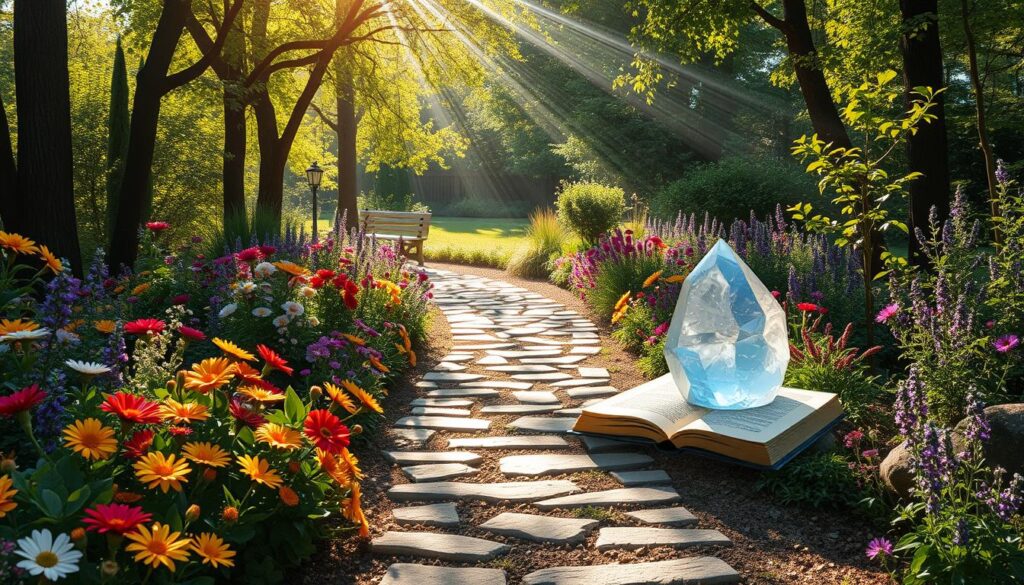
Step 1: Gather Inspiration
New ideas often hide in plain sight. Carmen Galloway’s “inspiration scavenger hunt” suggests:
- Highlight striking lines from books or podcasts.
- Photograph textures/colors that calm you.
- Jot down overheard conversations.
“Collecting fragments trains your brain to spot patterns,”she explains. Start small—a notes app or pocket journal works.
Step 2: Experiment Without Judgment
Set a “failure quota”—3 messy sketches or off-key hums daily. Markus Zusak rewrote The Book Thief’s opening 200 times. Practice isn’t about perfection; it’s about connection between your hands and heart.
Step 3: Build a Consistent Routine
Anthony Trollope wrote in 15-minute bursts. Try:
- Morning free-writing (no editing).
- Doodling during calls.
Timeblocks signal to your brain:“This matters.”
Step 4: Share for Feedback
Use the “Rose, Bud, Thorn” method:
- Rose: What shines?
- Bud: Potential growth areas?
- Thorn: What feels stuck?
Feedback fuelsconfidence, not criticism.
Step 5: Reflect and Iterate
Journal prompts:
- What surprised me today?
- How did this process shift my mood?
James Webb Young’s research shows reflection turnsinsightinto action. Your turn—download ourcreative permission slipto begin.
Tools and Resources to Foster Creativity
Tools and resources can turn creative sparks into lasting flames—here’s how to find the right ones. Whether you’re a beginner or seasoned creator, the right tools make self-expression feel natural, not forced. Let’s explore books, courses, and spaces designed to nurture your growth.
Carmen Galloway’s Books and Courses
Carmen Galloway’s work as an author blends science and soul. Her book Creative Recovery (available at Barnes & Noble and Apple Books) offers step-by-step exercises to heal through art. “Start where you are,” she advises—no experience needed.
Her Udemy course dives deeper, with modules like “Journaling for Emotional Clarity” and “Collage as Therapy.” Each lesson includes actionable prompts, turning theory into daily practice.
Digital Platforms for Creative Learning
Structured learning paths help creativity flourish. Compare these platforms:
- Udemy: Budget-friendly, healing-focused courses with lifetime access.
- Skillshare: Project-based classes (think “Watercolor for Stress Relief”).
- MasterClass: Inspirational talks from icons like Margaret Atwood.
IBM’s research confirms: Teams using such tools report 35% higher innovation rates.
Community and Collaboration Spaces
Creativity grows in community. Local meetups (check library boards) offer shared energy. Virtual spaces like CreativeMornings host global discussions. Pro tip: Find an accountability partner—swap weekly progress to stay motivated.
Prefer solitude? Try a “digital detox” hour with analog tools: sketchpads, clay, or poetry journals. The goal? Less screen time, more brain space.
Overcoming Creative Blocks
Blocks aren’t stop signs—they’re invitations to find new paths. When ideas stall, it’s often because we’ve bought into limiting beliefs about how creation works. Let’s gently unpack those myths and equip you with science-backed strategies to reignite your flow.

Common Myths About Creativity
Exeter University’s research confirms what George Land’s study hinted: confidence in creating grows with practice, not innate talent. Yet many still believe:
- “Only artists are creative” – HP’s garage teams proved innovation thrives in tech garages and kitchens alike
- “Original ideas are best” – Most breakthroughs remix existing concepts (think Dr. Seuss’ 50-word masterpiece)
Robert Epstein’s generativity research shows we all have creative muscles—they just need regular time and space to flex.
Strategies to Reignite Inspiration
When stuck, try these ways to jumpstart your thinking:
- Constraint challenges: Limit colors, words, or materials—like writing a haiku about your problem
- Artist dates: Julia Cameron’s method—weekly solo adventures to spark new connections (a florist shop visit inspired a programmer’s UI redesign)
- Cross-training: Coders taking pottery classes often solve bugs faster by engaging their mind differently
“Sleep isn’t downtime—it’s your brain’s editing suite. Solutions often emerge after rest.”
For creative panic attacks, try the 5-5-5 method: Name 5 colors you see, 4 textures you feel, 3 sounds you hear. This sensory reset grounds you in the present process. Our free myth-busting infographic (download below) turns these strategies into visual reminders.
Creativity in Relationships and Community
Shared creative acts can mend fractures we didn’t know existed—in ourselves and our communities. When we make art or solve problems together, we build invisible bridges. Psychology Today’s generativity research shows these connections reduce loneliness and increase resilience.
How Shared Creativity Strengthens Bonds
Consider the couple who keeps a joint creativity journal. Their weekly entries—sketches, song lyrics, or pressed flowers—become a relationship time capsule. As Virgin’s ABCD philosophy (Always Be Connecting Dots) suggests, collaboration turns individual perspectives into shared experience.
Try these connection-builders:
- Family creativity nights: Rotate who chooses the medium (clay, markers, or dance)
- Intergenerational storytelling: Pair elders with teens to document family histories
- “Creative potlucks”: Each guest brings supplies for a collective masterpiece
Collaborative Projects for Collective Healing
After a natural disaster, one neighborhood transformed boarded-up windows into a community mural. Each panel told a survivor’s story. As the paint dried, so did tears—proof that making art together can heal trauma.
“Groups that create together show 40% higher oxytocin levels—the bonding hormone—than those just socializing.”
Compare collaboration models:
| Model | Best For | Example |
|---|---|---|
| Open-source | Global teams | Wikipedia edit-a-thons |
| Hospital art therapy | Trauma recovery | Patient-painted hallway murals |
| Skill swaps | Local connections | Poets trading verses with musicians |
From conflict resolution circles using shared sculpture to global projects like the Inside Out Project, creativity reminds us: we’re all part of something larger. Your next collaborative act might just stitch someone’s world back together.
Conclusion
Your hands hold more than tools—they carry the power to reshape your emotional landscape. What begins as simple creativity—a doodle, a rearranged shelf—often becomes profound healing. Like Carmen Galloway’s students discover, small acts accumulate into lasting change.
One hospital administrator started journaling during lunch breaks. Within months, her practice reduced stress headaches and sparked career growth. This is the alchemy of creative habits—they transform ordinary moments into medicine.
Your journey might begin with Carmen’s free starter kit or a borrowed pencil. What matters is starting. In a world that often fractures us, creativity remains the glue that mends—connecting us to ourselves and each other.
Ready to begin? Download our free creativity kit today—your first step toward a more vibrant life starts here.
Explore a range of resources designed to enhance your creative skills. Whether you’re looking for inspiration or structured guidance, Carmen Galloway’s works provide valuable insights into the creative process.
Join interactive courses that challenge you to think differently and expand your creative horizons. Each course is crafted to help you develop a robust creative mindset.
FAQ
How does creativity help with emotional healing?
Expressing yourself through writing, art, or other forms of innovation helps process emotions. It rewires the brain, reducing stress and fostering resilience.
Do I need artistic talent to benefit from creative healing?
No—everyday problem-solving and small acts of imagination count. Healing comes from the process, not perfection.
What’s the best way to start a creative routine?
Begin with short, low-pressure sessions—like journaling or sketching. Consistency matters more than duration.
Can creativity improve relationships?
Yes! Shared projects build trust and communication. Collaborating on ideas deepens connections.
How do I overcome creative blocks?
Shift your environment, try new tools, or revisit past work. Blocks often stem from fear—gentle experimentation helps.
Are digital platforms effective for learning creative skills?
Absolutely. Sites like Skillshare offer guided courses, while communities provide feedback and motivation.
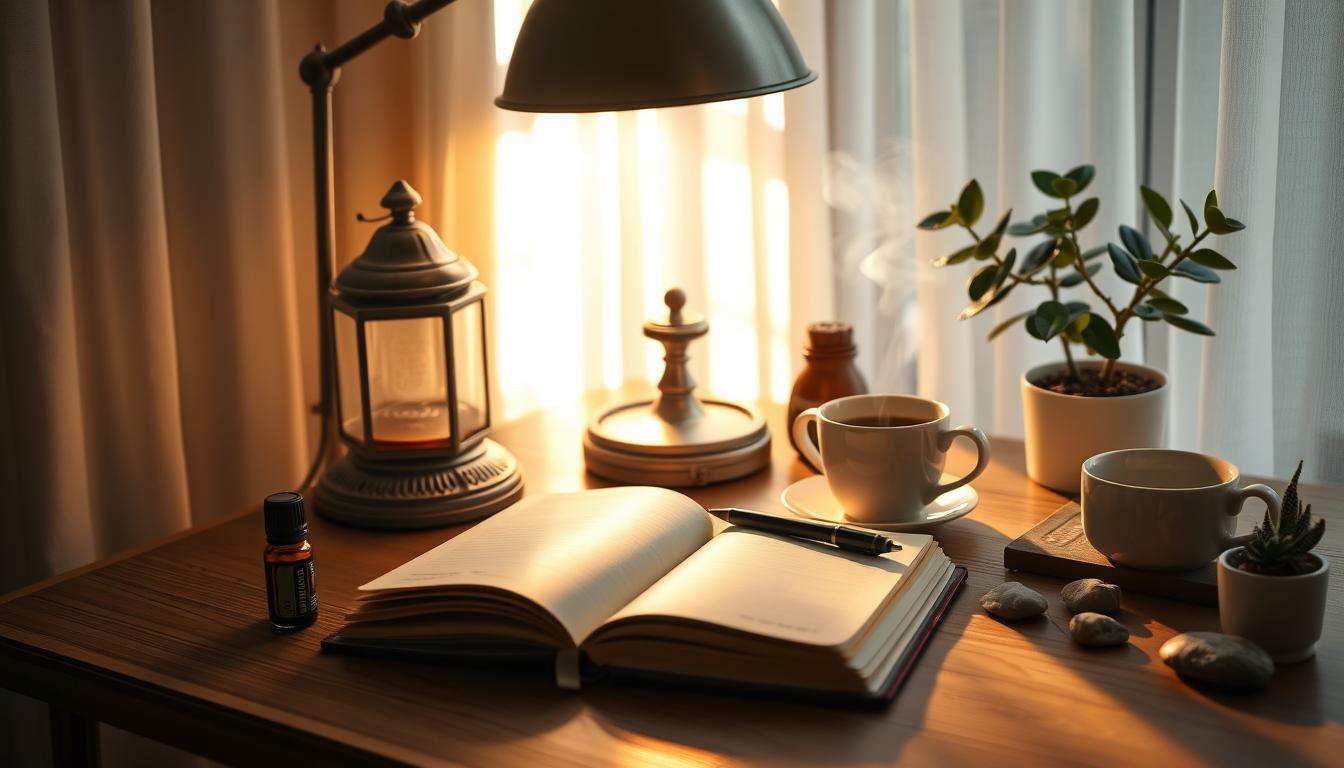
Transform your home into a more peaceful and mindful sanctuary. Creating a Zen-inspired home environment is a core part of the “Live.Learn.Create” theme, focusing on peace, mindfulness, and a clutter-free space. Here is a curated list of Zen home items.
The Zen Essentials
These items are the building blocks of a calm, intentional living space.
- Candles & Scents:
- Scented Candles: Look for calming, natural scents like sandalwood, lavender, white tea, or bergamot. Choose candles made with soy or beeswax for a clean burn.
- Essential Oil Diffusers: A minimalist, sleek diffuser made of bamboo, ceramic, or glass.
- Essential Oil Sets: Look for blends specifically for relaxation, focus, or sleep.
- Incense & Burners: Natural incense sticks (e.g., palo santo, sage) with a simple, elegant burner.
The Zen Decor
This is about incorporating natural elements and simple design.
- Natural Materials:
- Wood or Bamboo Trays: For organizing candles, stones, or other small items.
- Ceramic Vases: Simple, unglazed ceramic vases in neutral colors like white, beige, or gray.
- Minimalist Art: Simple line drawings, abstract prints, or nature-inspired artwork.
- Hand-Carved Stone Coasters: Or other small stone sculptures.
- Textiles:
- Linen or Cotton Throws: A soft, neutral-colored throw blanket to add warmth.
- Jute or Sisal Rugs: These add natural texture and grounding to a space.
- Meditation Cushions (Zafu) & Mats (Zabuton): These provide comfort for meditation and add a serene touch to a room.
The Zen Ambiance
These items help create a peaceful sensory experience.
- Lighting:
- Himalayan Salt Lamps: These provide a warm, soft glow.
- Japanese-style Paper Lanterns: For a soft, diffused light source.
- Dimmable Smart Bulbs: To easily control the warmth and brightness of your lighting.
- Sound:
- Tabletop Water Fountains: The gentle sound of running water is incredibly calming.
- Wind Chimes: Made from natural materials like bamboo or metal for a soft sound.
- Bluetooth Speakers: Small, aesthetically pleasing speakers for playing ambient or meditation music.
- Nature:
- Bonsai Trees or Air Plants: Low-maintenance indoor plants that bring life and a touch of nature indoors.
- Zen Gardens: A small, tabletop sand garden with a rake and stones for a meditative ritual.
- Decorative Rocks & Pebbles: For bowls or as a decorative element.
Best Sellers https://amzn.to/3Vet1tI
New Releases https://amzn.to/4mwLjTi
Amazon Movers & Shakers https://amzn.to/4fPsZlP
Mindfulness Coloring Books https://amzn.to/4fQ0wMx
Personal Growth Coloring Books https://amzn.to/4lJeRf0
Health & Wellness https://amzn.to/4oRt24C
Zen Home Decor https://amzn.to/3VeA3i6
Zen Garden Decor https://amzn.to/4mXjT8D
Zen Garden https://amzn.to/3HQTVVB
- Mindfulness & Meditation:
- Physical Wellness:
- Habit & Productivity Tools:
- Books:
- Best-selling personal development books (Mindset, The 7 Habits of Highly Effective People, The Subtle Art of Not Giving a F*ck)
- Books on a variety of skills (coding, photography, writing.)
- Educational Gadgets:
- Smart pens that digitize notes (e.g., Rocketbook)
- Portable scanners for digitizing documents
- Laptops, tablets, and accessories
Create (Creativity, Innovation, Projects)
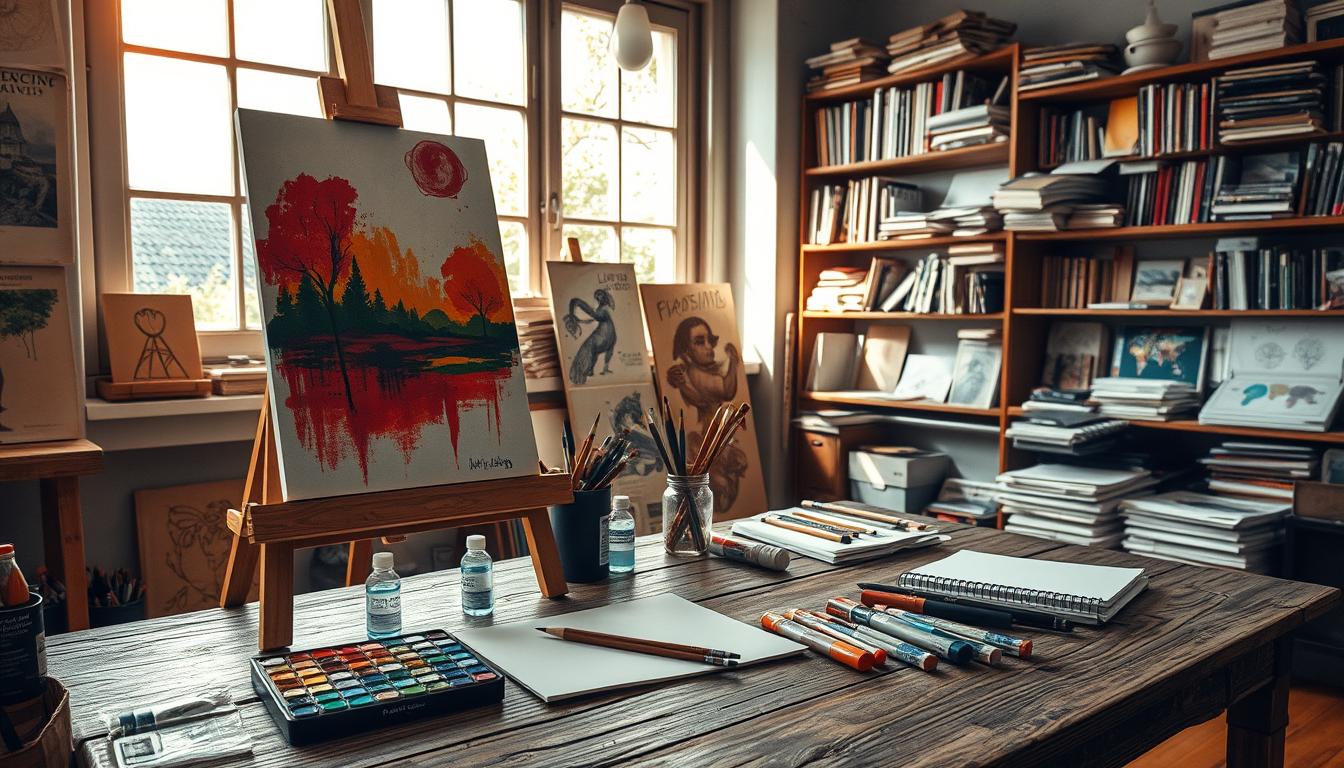
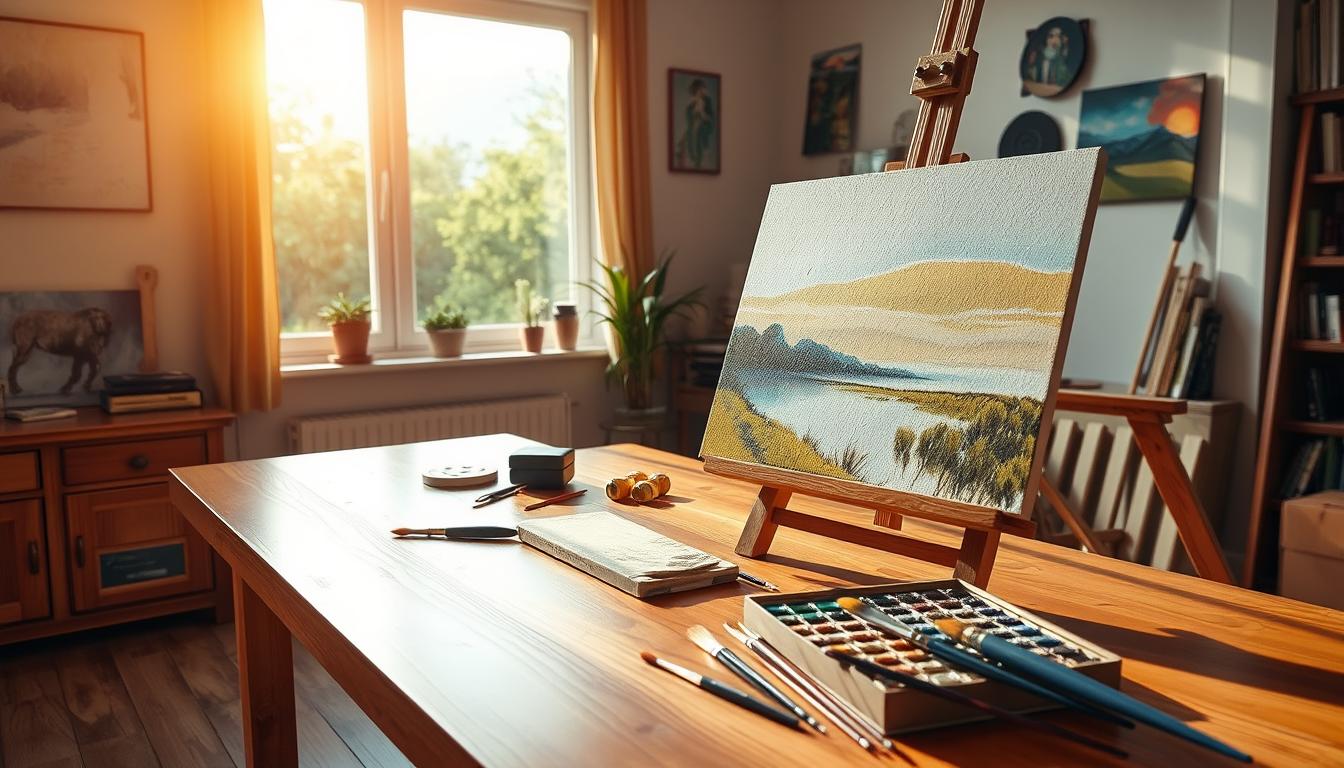
These products cater to your creative side, whether you are a artists, writer, or DIY enthusiasts.
- Creative Supplies:
- Adult coloring books or “paint-by-sticker” books
- Craft kits (e.g., candle-making, pottery, embroidery)
- Digital Creation Tools:
- General Inspiration & Making: